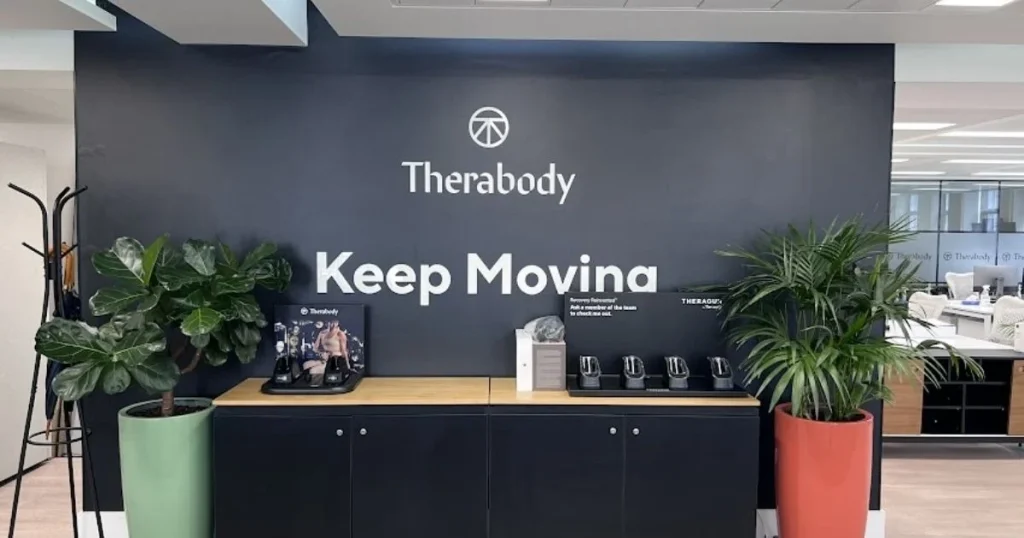
A blank wall, a generic logo sticker, and a stack of outdated leaflets leave visitors with no real sense of who they are dealing with, and that gap costs first impressions that are hard to win back later. Visitors form an opinion within seconds of walking through the door, and a dated or generic entrance undercuts everything a company has built.
Modern offices are moving away from static, one-note signage and towards layered visual approaches that combine texture, branding, and light. Here are the ideas making the biggest difference in contemporary lobbies right now.
Lobby Signage Ideas Built for Modern Offices
Here are the lobby signage ideas worth considering for a more polished entrance:
1. Turning Blank Walls into Brand Statements
A blank lobby wall is wasted space. Personalised wall stickers turn that space into a branding opportunity without the cost or commitment of a full renovation. Businesses can apply logos, mission statements, or custom graphics directly onto feature walls, creating a focal point that feels tailored rather than off-the-shelf.
Because they are applied flat against the surface, this option keeps the lobby looking clean and uncluttered, which suits the minimalist direction most modern offices have taken. It also offers flexibility that permanent installations cannot match. A rebrand, a new tagline, or a seasonal campaign can be reflected in the lobby within days rather than months, which matters for businesses whose identity keeps evolving.
2. Adding Scale with Bold Statement Walls
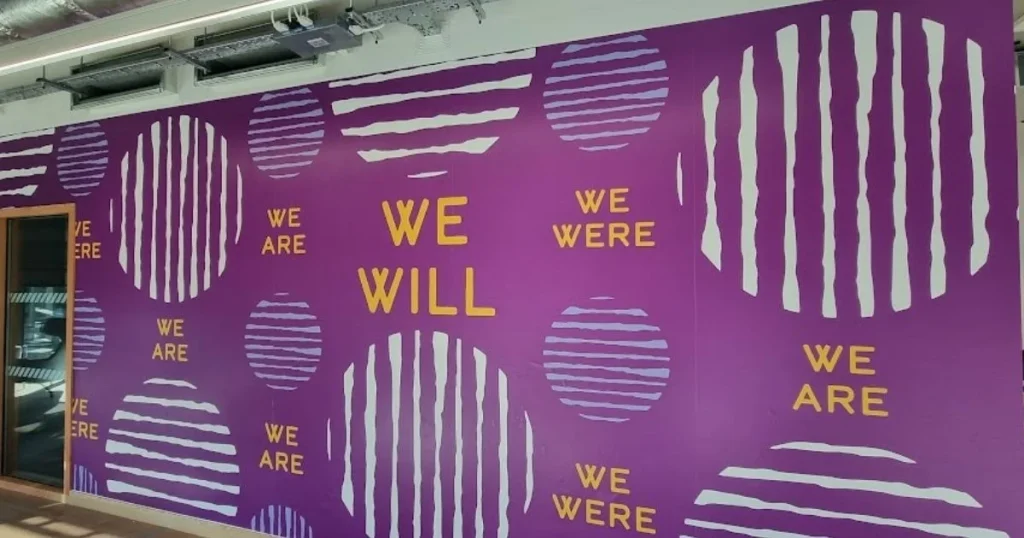
Where the previous option works well for logos and lettering, vinyl prints handle larger, image-driven statements. A full-height print of a cityscape, an abstract pattern, or company imagery gives a lobby scale and depth that smaller signage cannot achieve on its own. The finish holds colour accurately and resists fading, so the wall keeps its impact over years of foot traffic and daylight exposure.
Large-format prints also suit businesses that want their lobby to tell a story. A timeline of company milestones, a map of client locations, or a mural reflecting the brand’s values gives visitors something to engage with while they wait, rather than a blank stretch of paint separating a functional reception area from a memorable one.
3. Making the Most of Glass Entrances
Glass entrances and partition walls are common in modern office layouts, and window decals for business use make the most of that transparency. Applied to street-facing glass, decals carry the company name and logo where passers-by can see it, extending brand visibility beyond the building’s interior. Applied to internal glass partitions, the same technique adds privacy and definition to a space without closing it off entirely.
Frosted or etched-effect decals strike a particular balance: they soften sightlines into meeting rooms or private offices while still allowing daylight through, keeping the lobby feeling open, a defining feature of contemporary office design, rather than boxed in by opaque walls or blinds.
4. Signage That Works After Hours
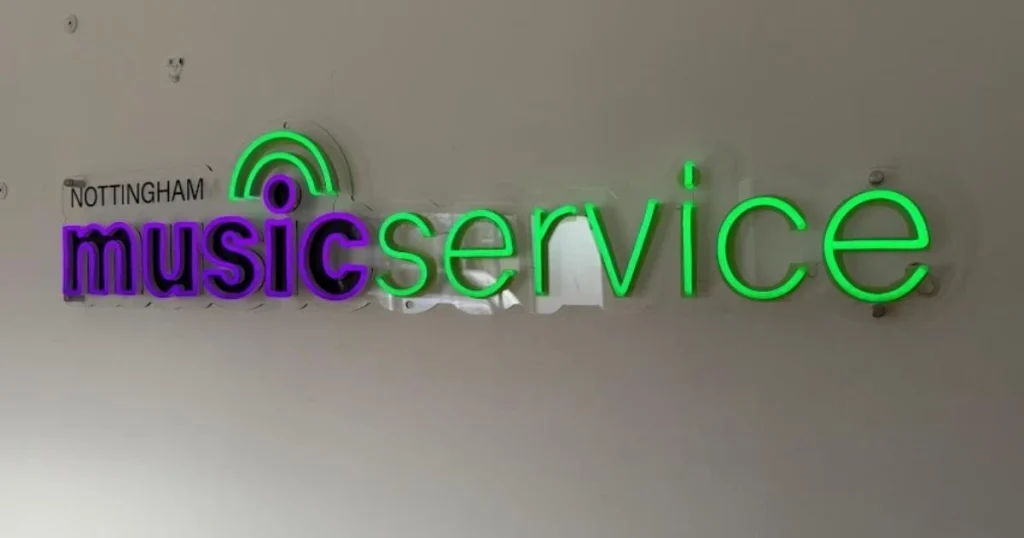
Not every visitor arrives during peak daylight hours. Illuminated lobby signage keeps a business looking active and considered even in low light, including early meetings, late deliveries, or evening events. LED-backed lettering or a lit logo panel behind the reception desk gives the space a focal point that draws the eye immediately on entry, setting a professional tone before a receptionist has even greeted the guest.
Illuminated signage also photographs well, which matters for businesses that use their lobby in marketing material, social content, or client testimonials filmed on-site. A well-lit entrance reads as established and well-resourced, two qualities that carry weight in any first impression a visitor forms.
5. A Premium Finish with Raised Lettering
Flat printed signage has its place, but dimensional lettering, raised letters mounted directly onto a wall, adds a tactile, premium quality that flat graphics cannot replicate. Light catches the edges differently depending on the angle, giving the company name a subtle sense of movement and craftsmanship.
This works particularly well behind reception desks, where the sign is the first thing a visitor’s eye settles on after walking through the door. Businesses that want to project stability and permanence often lean towards this option, since raised lettering reads as a long-term investment rather than a temporary fix, paired with clean typography and a restrained colour palette as the anchor point of the lobby design.
6. Signage Built to Move with the Business
Offices that reconfigure their floor plans regularly benefit from lobby signage that can move with them. Modular sign systems, built from interchangeable panels or freestanding frames, allow a business to update messaging, welcome specific visitors by name, or promote an internal event without commissioning new permanent signage each time.
This is particularly useful for co-working spaces and businesses that host frequent client visits or rotating teams, since the layout can shift from week to week without leaving the lobby looking mismatched or half-finished. A modular system grows alongside the business rather than becoming outdated the moment the floor plan changes.
Setting the Standard from the Entrance
A strong lobby rarely relies on a single sign. Personalised wall stickers establish identity, vinyl prints add scale and story, and window decals extend that identity onto glass surfaces that would otherwise go unused. Illuminated signage and dimensional lettering add polish and permanence, while modular options keep the space adaptable as the business grows.
Combined thoughtfully, these elements turn a lobby from a waiting area into a genuine extension of the brand, one that tells visitors exactly what kind of business they have walked into before a single conversation begins.
