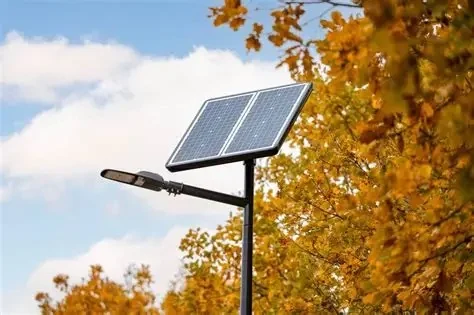
What happens to a rural road once a storm tears through the power lines that once kept it lit?Solar Street Lamp systems answer that question by drawing energy directly from daylight, removing dependence on the grid altogether. Rural development agencies facing repeated storm damage to their lighting infrastructure often search for a fix that does not rebuild the same vulnerability twice. This blog explains exactly how that resilience works, and why it deserves a place in the next infrastructure plan.
Can Solar Street Lamps Keep Rural Roads Lit During Power Outages?
Storms rarely give rural communities much warning before they take down a power line, and once that line falls, an entire stretch of road can lose its lighting for days at a time. Roads that depend on the same grid the storm just damaged stay dark until repair crews arrive, and repair crews cannot always reach remote areas quickly. A lighting system that generates and stores its own power sidesteps that entire failure point, keeping roads visible regardless of what happens to nearby infrastructure.
Rural agencies weighing their next lighting upgrade often start here.
Battery Reserves Bridge Outages: Stored energy keeps fixtures running well past sunset. That reserve typically covers several consecutive nights. Even extended utility outages rarely drain it fully. Roads stay lit through the entire recovery window.
Daylight Charging Ignores Grid: Panels collect power throughout daylight hours automatically. Charging never depends on nearby substations functioning. Sunlight remains available even after severe storms. The system keeps working while the grid does not.
Sealed Systems Resist Damage: Weatherproof housings shield batteries from wind and rain. Debris resistance is built into most modern fixtures. That protection matters most while a storm is still passing overhead. Damage rates stay low compared to exposed wiring.
Automatic Switching Needs Nobody: Charging and discharging happen on a built-in schedule. No technician needs to visit the site. That independence matters when roads are impassable. Fewer site visits also means safer conditions for crews.
Elevated Components Avoid Flooding: Sensitive parts sit near the top of the pole. Ground-level flooding rarely reaches that height. Standing water is a common cause of failure elsewhere. Raised placement keeps the system functioning through most floods.
Rural roads should not have to wait on repair crews that storms have already delayed.
Are Solar Street Lamps More Reliable Than Grid Lighting During Storms?
Reliability during a storm has less to do with how a system performs on a clear day and everything to do with what happens when conditions turn hostile. Grid-tied lighting depends on a chain of infrastructure that spans miles of exposed cable, any point of which can fail during high winds or flooding. A self-contained lighting unit removes that chain entirely, since its power source sits within a few feet of the fixture it serves rather than several miles down a vulnerable transmission line.
That difference tends to show up most clearly in the days immediately after a storm, when grid repair crews are stretched thin across an entire region and rural roads often sit lower on the priority list than town centers or hospitals. A road lit by its own stored energy does not have to wait its turn. It simply keeps functioning, which is precisely the kind of dependability rural development agencies have started building into their long-term infrastructure planning.
How Can Rural Agencies Protect Road Lighting From Severe Weather?
Protecting road lighting from severe weather starts long before a storm ever forms, in the engineering decisions made at the design stage. Agencies that treat lighting as an afterthought often discover the gap only once a storm has already caused the damage. Solar Street Lamp infrastructure addresses this by building resilience into the hardware itself, rather than relying on faster repair response after the fact.
Planning around durability now prevents costly emergency repairs later.
Wind-Rated Pole Design: Cylindrical poles are engineered for sustained high winds. Structural testing confirms performance well beyond typical storm thresholds. That margin keeps fixtures upright while weaker infrastructure fails nearby. Fewer downed poles means fewer dark stretches of road.
Flood-Resistant Component Placement: Critical electronics sit above typical flood lines. Ground-level equipment faces far greater water exposure. Elevated placement reduces repair costs after major storms. Recovery timelines shorten when less hardware needs replacing.
Agencies that plan for severe weather now spend far less time reacting to it later.
What Makes Solar Street Lamps Suitable for Storm-Prone Rural Roads?
Rural roads face a particular set of challenges that urban corridors rarely deal with in the same way, including longer distances between maintenance depots and fewer resources available for rapid repair. A Solar Street Lamp installation is suited to exactly these conditions, since it requires no trenching, no substation connection, and very little routine servicing once it is in the ground.
That suitability becomes obvious once distance and terrain enter the conversation.
Trench-Free Rural Installation: No underground cabling means fewer site restrictions. Crews install fixtures without disturbing agricultural land. Remote terrain no longer complicates deployment timelines. Projects move forward faster than traditional grid work allows.
Low Long-Term Maintenance Needs: Sealed components require minimal servicing over years. Long-life LEDs reduce replacement visits substantially. Maintenance crews spend less time on distant routes. Agencies gain predictable upkeep costs across the system’s lifespan.
These qualities are exactly why storm-prone rural corridors keep turning up as the strongest use case for this kind of infrastructure.
Can Solar Street Lamps Improve Rural Road Resilience After Disasters?
Disaster recovery tends to expose every weak point in a region’s infrastructure at once, and lighting is usually among the first services communities notice going dark and among the last to be restored. A resilient lighting system changes that equation by removing lighting from the list of things a community has to wait on. The benefits extend well beyond the moment a storm passes.
A few outcomes consistently stand out once these systems are in place:
- Evacuation routes stay visible even when nearby grid infrastructure has failed completely.
- Emergency crews navigate unfamiliar roads faster when lighting cues remain consistent.
- Communities regain a functioning corridor without waiting on utility restoration schedules.
- Agencies reduce repeat repair costs tied to storm damage on traditional wiring.
Storms will keep testing rural infrastructure, and grid-dependent lighting will keep failing at the worst possible moments. Solar Street Lamp systems give rural development agencies a way to remove that vulnerability from the equation entirely, keeping roads lit and communities connected no matter what the surrounding grid is doing. For agencies planning their next infrastructure cycle, that resilience is worth building in well before the next storm arrives.
