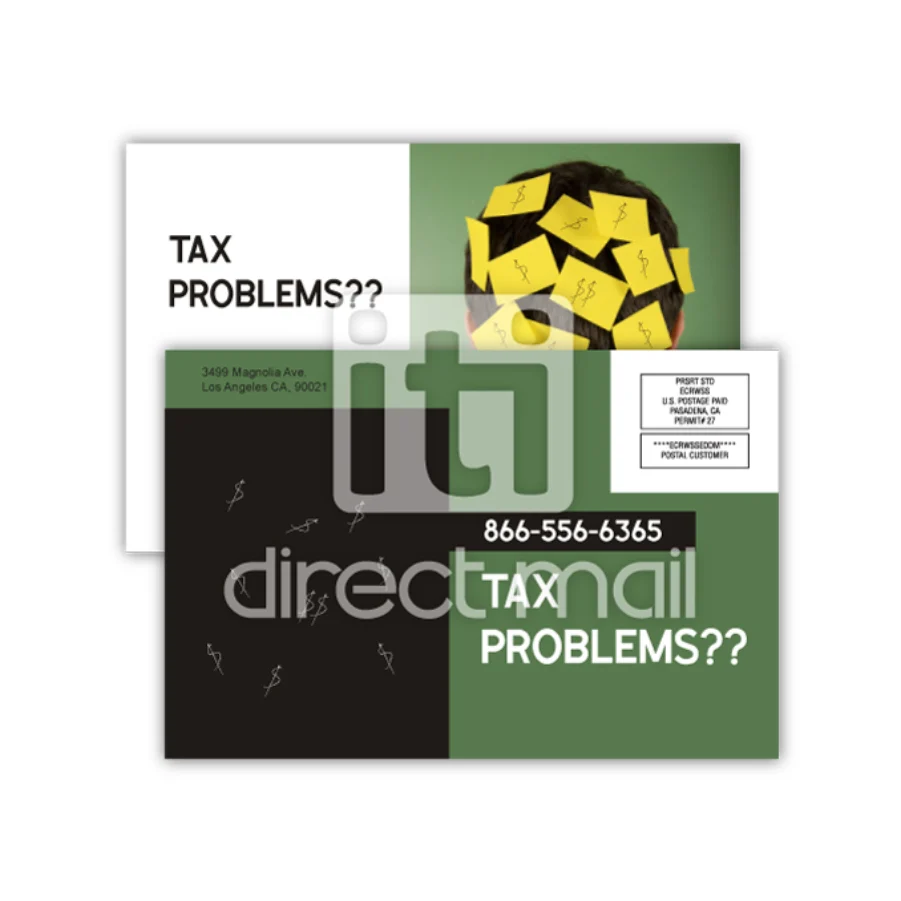
Many businesses expect direct mail to generate calls, visits, or sales soon after sending a campaign. When that does not happen, it is easy to assume that the mailing method is ineffective. The problem usually comes from planning, design, targeting, or messaging rather than the mailing format itself. If your EDDM cards campaign is not getting results, there are specific reasons behind the poor performance, and each one can be corrected. At iti Direct Mail, businesses often learn that small improvements in strategy can make a significant difference in campaign effectiveness. The key is understanding what prevents your mail from capturing attention and motivating people to respond.
This guide explains the most common reasons All Door Direct Mail campaigns underperform and provides practical ways to improve future mailings for stronger engagement.
Understanding How Every Door Direct Mail Works
Every Door Direct Mail is designed to help businesses reach homes within selected postal routes instead of relying on individual mailing lists. It is especially useful for local businesses that want greater visibility within nearby neighborhoods.
Unlike personalized mailing campaigns, this method focuses on geographic coverage. That makes every part of the campaign even more important because your mail piece must quickly convince recipients that your business is relevant to them.
Success depends on combining attractive design, meaningful messaging, and careful planning.
Your Message Does Not Speak to Local Customers
Many campaigns fail because the message is too broad.
People receive advertising every day. If your mail piece sounds generic or could apply to any business in any location, readers have little reason to pay attention.
Instead, your message should clearly explain:
- How does your business solve a local problem.
- Why nearby residents should care.
- What action should they take next.
Speaking directly to the needs of your community creates stronger engagement than using general promotional language.
Your Design Fails to Capture Attention
People usually decide within moments if they will continue reading a mail piece.
A cluttered layout, poor image quality, or confusing design often causes recipients to ignore the mailing completely.
Strong direct mail design includes:
- A bold headline that immediately communicates value.
- High-quality visuals that support the message.
- Clear spacing that makes reading comfortable.
- Simple branding that is easy to recognize.
The design should guide readers naturally from the headline to the call to action without distractions.
Your Offer Is Not Compelling Enough
Even attractive mail will struggle if there is no convincing reason for someone to respond.
Many campaigns simply introduce a business without giving recipients motivation to take the next step.
An effective offer should answer one important question.
Why should someone act today instead of ignoring the mail?
Useful offers may include:
- Exclusive local promotions.
- Helpful consultations.
- Limited availability of a service.
- Seasonal opportunities.
The offer should feel valuable rather than promotional.
You Are Targeting the Wrong Areas
One advantage of Every Door Direct Mail is geographic targeting.
However, selecting postal routes without researching your audience often reduces campaign effectiveness.
Before choosing delivery routes, consider:
- Where your ideal customers live.
- Household characteristics.
- Distance from your business.
- Community interests.
Sending mail to neighborhoods that closely match your audience increases relevance and improves engagement.
Your Headline Does Not Grab Attention
The headline is usually the first thing recipients notice.
If it simply states your business name or uses vague marketing phrases, readers may stop before reaching the main message.
Effective headlines focus on customer benefits instead of business achievements.
Compare these ideas.
Weak headline:
“Our Company Has Great Services”
Stronger headline:
“Simple Home Improvements That Help Protect Your Property”
The second headline immediately gives readers a reason to continue reading.
Your Call to Action Is Unclear
Many campaigns receive poor results because people are unsure what to do next.
A strong call to action should be direct, simple, and visible.
Examples include:
- Call today.
- Visit our website.
- Schedule your appointment.
- Redeem your special offer.
Avoid giving multiple competing instructions on the same mail piece because that creates confusion.
Your Content Focuses Too Much on Your Business
Businesses naturally want to describe their experience, services, and achievements.
While credibility matters, customers are usually more interested in solving their own problems.
Instead of asking:
“What do we want to say?”
Ask:
“What information helps the customer make a decision?”
Keep the content focused on benefits, solutions, and outcomes rather than company history.
Poor Print Quality Reduces Trust
The appearance of your mailing reflects your business.
Low-quality printing, faded colors, blurry images, or thin paper may create a poor first impression before anyone reads the message.
Professional printing improves:
- Brand credibility.
- Visual appeal.
- Readability.
- Customer confidence.
Even excellent marketing content becomes less effective when presentations appear unprofessional.
You Ignore Mobile Users
Many people who receive direct mail immediately search online before contacting a business.
If your website is difficult to use on mobile devices or loads slowly, interested customers may leave before contacting you.
Your mail should work together with your digital presence.
Include easy ways for customers to continue their journey online, making every response as convenient as possible.
Your Campaign Lacks Consistency
One mailing rarely builds lasting recognition. People often need multiple interactions before remembering a business or taking action.
Consistent branding across repeated campaigns helps build familiarity within your service area. Using similar colors, messaging, and visual identity makes your business easier to recognize over time.
You Do Not Measure Campaign Performance
Without tracking results, it becomes difficult to understand what is working.
Consider monitoring:
- Response to channels.
- Customer inquiries.
- Website visits connected to the campaign.
- Redemption of promotional offers.
Collecting this information allows future campaigns to improve through informed decisions instead of guesswork.
Your Mail piece Looks Like Every Other Advertisement
Recipients often sort through mail quickly. If your design blends in with ordinary advertising, it becomes easier to ignore.
Think about ways to create visual interest through:
- Strong photography.
- Clean layouts.
- Bold colors.
- Clear typography.
The objective is not to overwhelm readers but to encourage them to pause and read.
Your Copy Is Too Long or Too Complicated
Many businesses try to include every service, feature, and benefit on a single mail piece.
This usually creates information overloaded.
Keep sentences clear and easy to read.
Use short paragraphs, meaningful headings, and straightforward language.
A focused message is usually far more persuasive than trying to explain everything.
Your Campaign Does Not Build Trust
People respond more confidently when they feel a business is credible.
Trust can be strengthened by including:
- Professional branding.
- Clear contact information.
- Consistent messaging.
- Helpful educational content instead of excessive sales of language.
Trust is built through clarity, honesty, and professionalism.
Integrating the Right Mailing Strategy
An effective EDDM postcard campaign is more than an attractive design. Every element should support the customer’s journey from the moment the mail arrives to the final action.
Businesses that work with an experienced EDDM service provider can often improve campaign planning, print quality, route selection, and overall consistency. iti Direct Mail helps businesses build campaigns that align design, messaging, and mailing strategy so each piece serves a clear purpose instead of simply filling mailboxes.
Well-planned EDDM mail campaigns focus on relevance rather than volume, helping businesses communicate with neighborhoods that are more likely to engage.
Small Improvements Often Create Better Results
Many disappointing campaigns are not complete failures. They simply need refinement.
Review each campaign carefully by asking:
- Did the message address customer needs?
- Was the design easy to understand?
- Did the offer encourage action?
- Was the audience selected carefully?
Making steady improvements after each mailing often produces stronger long-term performance.
Conclusion
If your Every Door Direct Mail campaign is not generating the results you expected, the mailing itself is rarely the problem. Most underperforming campaigns struggle because of weak messaging, unclear calls to action, poor design, inconsistent branding, or limited audience planning. Addressing these issues creates a more engaging experience for recipients and increases the likelihood of meaningful responses.
Successful direct mail combines thoughtful strategy, quality presentation, and customer-focused communication. By continuously improving your approach, every campaign becomes an opportunity to build stronger local awareness and lasting customer relationships. If you are ready to strengthen your next mailing campaign, Request Quote Now and start building a more effective direct mail strategy.
