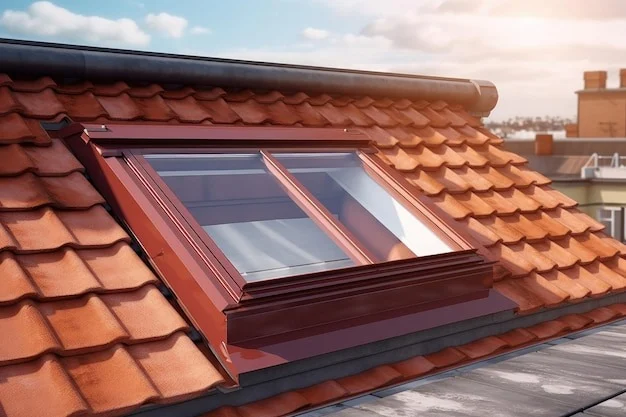
Natural light has become one of the most valued features in modern interior design. As homeowners look for spaces that feel brighter, healthier, and more connected to the outdoors, daylight-focused design is becoming increasingly important. One solution gaining attention is the use of plastic dome roof lights, which can introduce natural illumination into areas where conventional windows may not provide enough light.
Modern roof lighting is no longer simply about making a room brighter. It can influence how a space feels, how interiors are designed, and how effectively different areas of a home are used. From kitchens and hallways to extensions and open-plan living spaces, thoughtfully positioned roof lights can help create a more comfortable and visually appealing environment.
Why Natural Light Is Becoming a Design Priority
Interior design has increasingly moved toward creating homes that feel open, comfortable, and connected to nature. Natural light plays an important role in achieving that atmosphere.
A room with good daylight can appear more spacious and inviting, while darker areas may feel enclosed even when they have plenty of floor space. Roof lights offer another way to bring illumination into interiors without relying entirely on light entering through vertical windows.
Daylight can also change the appearance of an interior throughout the day. Morning light may create a soft atmosphere, while stronger midday illumination can highlight architectural details, textures, and finishes.
This makes natural lighting both a practical feature and an important design element.
The Rise of Biophilic Interior Design
Biophilic design continues to influence modern homes by encouraging stronger connections between indoor environments and the natural world. While plants, natural materials, outdoor views, and organic textures are common elements of this approach, daylight remains one of its most important components.
Roof lighting can support this design philosophy by allowing natural light to enter from above. This can be particularly useful in spaces where surrounding buildings, walls, or room layouts restrict the amount of light entering through traditional windows.
Rather than treating daylight as an afterthought, homeowners and designers are increasingly considering it during the early stages of planning a room.
Daylight can complement:
- Natural materials such as wood, stone, and textured surfaces.
- Indoor plants that benefit from suitable levels of natural illumination.
- Neutral color palettes that reflect and distribute available light.
- Open-plan layouts that allow light to move between connected spaces.
How Roof Lighting Can Transform Interior Spaces
One of the most interesting aspects of roof lights is their ability to change the visual character of a room without requiring major changes to its floor plan.
A kitchen, for example, may have limited wall space because of cabinets and appliances. A roof light can provide an additional source of daylight without taking away valuable wall area.
In an extension, overhead illumination can help prevent the new space from feeling disconnected from the rest of the home. In hallways or internal areas, it can make spaces that traditionally receive little daylight feel more welcoming.
The effect is not limited to brightness. Light from above can create changing patterns of illumination across floors, walls, and furniture, adding depth and character to an otherwise simple interior.
Choosing the Right Shape for Your Space
Roof lights are available in different shapes and configurations, and the right choice depends on the architecture of the property and the character of the room.
A domed design can provide a distinctive architectural feature while helping distribute daylight across an area. Flat designs can create a more understated appearance, while larger roof glazing solutions can make a stronger visual statement.
When selecting a design, it is useful to consider more than appearance alone.
Think about:
- The size and layout of the room.
- The direction and intensity of available daylight.
- The position of furniture and other interior features.
- The existing roof structure and architectural style.
- How the roof light will look from both inside and outside the property.
A well-planned installation should feel like a natural part of the architecture rather than an element added without consideration for the overall design.
Making Smaller Rooms Feel More Open
Small rooms often benefit significantly from thoughtful daylight planning. When natural light enters from above, it can reduce the visual heaviness associated with limited wall openings.
This can be particularly useful in compact kitchens, bathrooms, corridors, and utility areas. Instead of relying solely on artificial lighting, homeowners can introduce daylight into areas that may otherwise feel dark.
Lighter wall finishes, reflective surfaces, and carefully selected furniture can further enhance this effect. The goal is not simply to add more light but to make the available light work effectively throughout the room.
This approach can also help create a sense of visual continuity between different areas of a home.
Daylight and Modern Home Wellness
Home design is increasingly being considered from a wellbeing perspective. People spend a significant amount of time indoors, making the quality of the indoor environment an important part of everyday comfort.
Natural daylight can contribute to a more pleasant living environment by creating variation throughout the day. Instead of a room looking the same under artificial lighting, daylight changes naturally with outdoor conditions and the position of the sun.
This can make interiors feel more dynamic and connected to the passing day.
However, effective daylight design is about balance. Too much direct sunlight can create glare or excessive heat, while insufficient daylight may not achieve the desired effect. Position, glazing characteristics, shading, and room orientation all deserve consideration during the planning process.
Designing Around Light Rather Than Adding It Later
A common mistake in renovation planning is to consider lighting only after the main design decisions have already been made. A more effective approach is to think about daylight from the beginning.
Start by identifying areas of the home that feel naturally dark. Consider where the sun reaches the property and how existing roof and ceiling structures may affect the introduction of daylight.
From there, the layout of the room can be planned around the available illumination.
For example, a dining area positioned beneath a roof light can become a visual focal point. A kitchen work area can benefit from overhead illumination, while an otherwise unused section of an extension can become a bright reading or relaxation space.
This approach makes the lighting part of the architecture rather than simply another fixture.
Combining Natural and Artificial Lighting
Natural daylight should not be viewed as a replacement for artificial lighting. Instead, the two can work together.
Artificial lighting remains important when daylight levels are low or when specific activities require focused illumination. Layering different lighting sources allows homeowners to adapt a room to different needs.
Ambient lighting can provide general illumination, task lighting can support activities such as cooking or reading, and accent lighting can highlight artwork or architectural features.
When daylight is incorporated into the overall plan, artificial lighting can be positioned more strategically. This creates a more flexible environment where each lighting source has a clear purpose.
What to Consider Before Installing Roof Lights
Good planning can make a significant difference to the final result. A roof light should suit both the practical requirements of the property and the visual goals of the interior.
The existing roof construction should be assessed before any changes are made. Structural considerations, insulation, ventilation, waterproofing, and installation requirements all need appropriate attention.
It is also important to think about how sunlight will behave throughout the day. A roof light positioned without considering solar exposure may introduce unwanted glare or excessive heat into certain areas.
For homeowners exploring different daylight solutions, Skylights Roof Lanterns can be considered as part of a broader approach to creating brighter and more thoughtfully designed interiors.
Improving the Connection Between Rooms
Another advantage of daylight-focused design is the way it can influence movement through a home.
Dark transitional areas can sometimes interrupt the visual flow between rooms. Introducing natural light into these spaces can make the transition feel more seamless.
For open-plan homes, roof lighting can also help define different zones without using walls or partitions. A brighter area above a dining table, kitchen island, or seating zone can naturally establish its purpose while keeping the overall layout open.
This is particularly relevant to contemporary interiors, where homeowners often want flexible spaces that can serve several functions.
Sustainability Through Better Lighting Design
Sustainable home design involves more than choosing environmentally conscious materials. It also means thinking carefully about how a property uses energy and resources.
Making better use of available daylight can support a lighting strategy that does not depend entirely on artificial illumination during daylight hours. The actual effect will depend on factors such as the size and position of the roof light, room orientation, glazing performance, and seasonal conditions.
Good design therefore focuses on efficiency as well as aesthetics.
Insulation and ventilation should also be considered alongside roof lighting. A comfortable interior needs to maintain appropriate thermal conditions while benefiting from increased natural illumination.
The Future of Daylight-Focused Interiors
Modern homes are becoming more responsive to the way people live. Instead of separating aesthetics, comfort, and functionality, current design trends increasingly bring these elements together.
Daylight is central to that shift because it influences all three.
As smart-home technology develops, lighting systems can also become more responsive to changing natural conditions. Automated shades, adjustable artificial lighting, and sensors can work alongside architectural daylight features to create more adaptable interiors.
The result is a home that responds to its surroundings rather than depending on one fixed lighting arrangement.
Creating a More Thoughtful Home Environment
The strongest interior designs often come from relatively simple ideas used carefully. Natural light is one of those ideas. It can influence the mood of a room, emphasize materials, improve visual flow, and make underused areas feel more inviting.
Roof lights provide another opportunity to think creatively about how daylight enters a property. Their value is not only in the amount of light they introduce but also in how that light interacts with the architecture around it.
Before selecting a design, homeowners should consider the room’s purpose, roof structure, daylight direction, ventilation, insulation, and overall interior style. Taking these factors into account can help create a result that feels intentional and balanced.
Conclusion
Daylight is becoming an increasingly important part of modern home design because it brings together aesthetics, comfort, functionality, and a stronger connection with the natural environment. Roof lighting can help transform darker areas, enhance open-plan interiors, and create distinctive architectural features without relying solely on traditional windows.
The key is thoughtful planning. When roof lights are selected and positioned with the entire interior in mind, natural illumination can become an integral part of the home’s design rather than an afterthought. If you are exploring ways to make your interior brighter, more comfortable, and better connected to the outdoors, Contact us to discuss suitable daylight solutions for your space.
