Artificial intelligence has made it easier than ever to transform ordinary images into engaging digital content. Tasks that once required video editing skills, animation software, or professional equipment can now be completed with AI-powered tools. From creating speaking portraits to synchronizing facial movements with audio and experimenting with new outfits, these technologies are opening new possibilities for creators, marketers, educators, and everyday users. Three particularly useful innovations are talking photo AI, lip synchronization, and AI-powered clothing changes.
Turn Static Images Into Speaking Characters
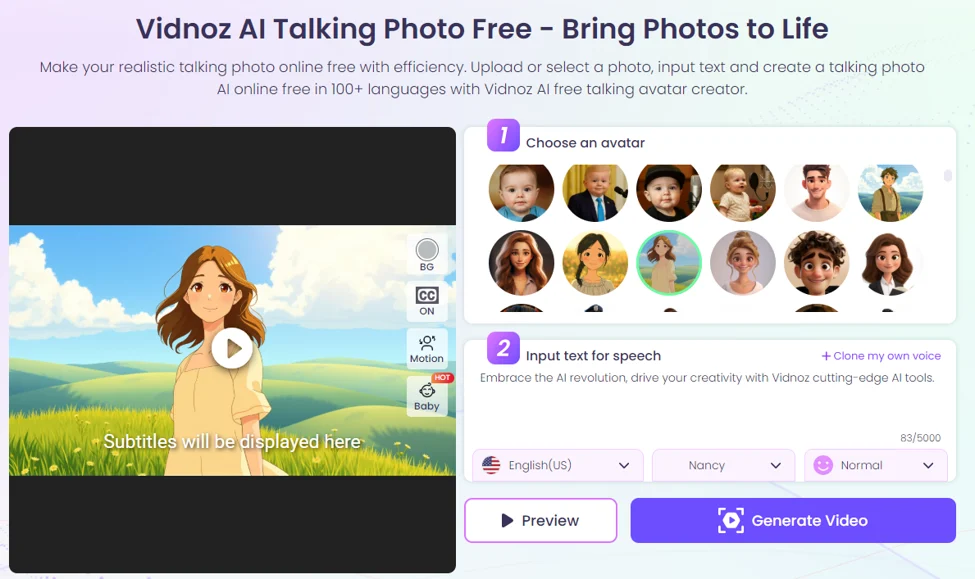
A talking photo AI free tool can transform a still image into an animated character that appears to speak. Instead of recording a video, users can upload a suitable portrait, provide a script or audio file, and allow AI to generate facial movements that match the content.
This technology can be useful for social media creators who want to produce short videos without appearing on camera. Businesses can also use talking images for promotional announcements, product introductions, and educational content. Teachers may create more engaging learning materials by turning historical figures, illustrated characters, or presentation images into talking visuals.
The biggest advantage is convenience. Users do not necessarily need cameras, lighting equipment, or advanced editing knowledge. A simple photograph and a creative idea can become a short animated video within minutes, depending on the tool being used.
Create Natural Facial Movements With Lip Sync AI
Audio and facial movement need to work together for a talking image to look convincing. This is where lip sync AI becomes valuable. Lip synchronization technology analyzes spoken audio and generates corresponding mouth movements, helping a digital face appear to pronounce words naturally.
For content creators, this can make voiceovers more engaging. Instead of showing a completely static image while narration plays in the background, creators can produce a character that visually responds to the speech.
Lip synchronization can also be helpful when creating multilingual content. A creator can prepare different voice tracks and generate versions of the same visual for multiple audiences. This can save time compared with manually creating separate videos for every language.
However, good results usually depend on the quality of the original image and audio. Clear speech, a front-facing portrait, and a suitable image generally provide better results than low-quality or heavily distorted source material.
Experiment With Virtual Outfit Changes
Another interesting development in AI image editing is the ability to digitally modify clothing. With change clothes AI technology, users can experiment with different outfits while keeping many other aspects of an image consistent.
For fashion creators, this can be a practical way to visualize different styles before producing new content. Online retailers and clothing brands may also use virtual outfit concepts to demonstrate how different garments could look in promotional images.
For personal creativity, users can explore casual, formal, professional, seasonal, or themed clothing without needing to take multiple photographs. AI editing can make these experiments faster and more accessible.
The technology can also support marketing workflows. Instead of arranging a new photoshoot for every outfit variation, a business can explore visual concepts digitally before deciding which designs deserve further investment.
Combining AI Features for Better Content
The real potential appears when these technologies are used together. A creator might start with a portrait, use AI to change the character’s outfit, generate a suitable voiceover, and then apply lip synchronization to create a complete talking presentation.
For example, a fictional brand ambassador could introduce a product while wearing different virtual outfits for different campaigns. Similarly, an educational creator could create a talking illustrated character and produce several versions for different topics.
Combining AI tools can reduce production time while giving creators more freedom to experiment. Instead of spending hours learning complex animation and editing software, users can focus more on storytelling, visual design, and audience engagement.
Responsible Use Matters
Although AI editing is powerful, users should consider authenticity and consent. When working with photographs of real people, it is important to have appropriate permission, especially when creating content that could mislead viewers. AI-generated videos should also be used responsibly and clearly presented when necessary.
Creators should focus on using these technologies for legitimate purposes such as education, entertainment, marketing, storytelling, and creative experimentation.
The Future of AI-Powered Visual Content
Talking photos, automated lip synchronization, and virtual clothing changes represent only part of the rapidly developing AI content ecosystem. As these tools continue improving, creating short-form videos and customized visuals is likely to become even easier.
For beginners, the best approach is to experiment with simple projects first. A high-quality portrait, clear audio, and a specific creative goal can provide a strong starting point. Whether someone wants to create social media content, test fashion concepts, or develop engaging presentations, AI-powered image and video tools offer an increasingly accessible way to bring ideas to life.
