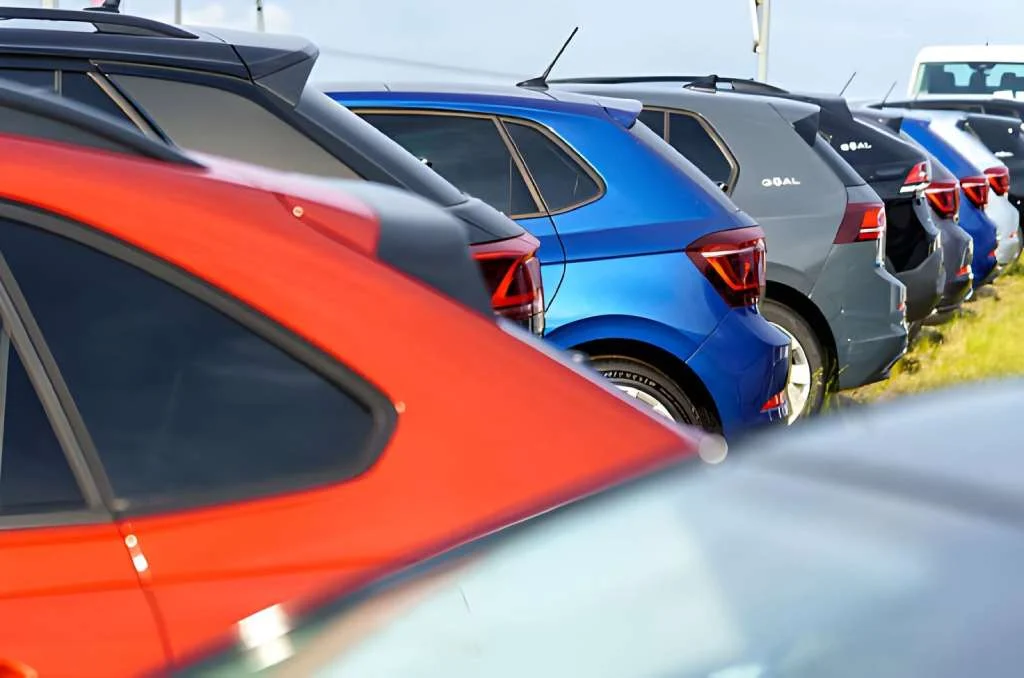
Buying a used car doesn’t have to be scary if you know what to look for. By checking the car’s history, doing a thorough visual inspection, and taking a smart test drive, you can safely find the best second hand cars in Dubai or anywhere else. This guide breaks down the exact steps to ensure you get a reliable ride instead of a costly lemon.
Buying a used car can feel a lot like dating. On the outside, everything looks shiny, clean, and perfect. But under the hood? There might be a few hidden surprises you didn’t bargain for. Nobody wants to spend their hard-earned cash on a car that breaks down a week later.
If you don’t know much about cars, don’t panic. You don’t need to be a professional mechanic to spot a bad deal. Think of this guide as your smart, car-loving friend who walks you through the process step by step. Let’s dive into how you can shop with confidence.
Why You Must Check the Vehicle History Report First
A vehicle history report is like a car’s report card from school, showing its past accidents, service records, and owner history. Checking this report first helps you instantly spot red flags before you waste time seeing the car in person.
Think of a vehicle history report like a background check. You wouldn’t hire a babysitter without knowing their past, right? The same goes for a pre-owned vehicle.
When you look at the history report, look for these three major things:
- Accident History: Has the car been in a major wreck? Small bumps are fine, but big crashes can twist the car’s frame.
- Service History: Did the past owner change the oil regularly? A car that was loved and serviced will last much longer.
- Ownership Check: How many people have owned this car? Fewer owners usually means the car was cared for better.
The Outside and Inside Inspection Made Simple
To inspect a used car by yourself, look closely at the paint for hidden rust, check that all tires match, and smell the inside for mold. These quick checks tell you if the car was neglected or damaged in a flood.
You don’t need a toolbox to check a car. Just use your eyes, your hands, and your nose. Walk around the vehicle in bright daylight. If you see a door that looks slightly different in color from the rest, it was likely replaced after an accident.
Next, crouch down and look at the tires. Do they have good tread, or are they smooth like a bald head? If the tires are worn unevenly, the car might have a bad alignment, which means it pulls to one side when you drive.
Finally, open the doors and take a deep breath. If it smells musty or like wet dog, water might have leaked inside. A moldy car can cause serious health and electrical problems down the road.
How to Ace the Test Drive
During a test drive, you should listen for loud squeaks, feel how the brakes grip, and make sure the car drives straight. Testing the car on both bumpy streets and fast highways will reveal hidden transmission or suspension problems.
The test drive is where the rubber meets the road, literally. Turn off the radio before you start driving. You need to hear what the car is trying to tell you. If you hear a loud squeaking sound when you press the brakes, the brake pads are likely worn out.
Drive the car like a librarian would, then drive it a bit harder. Find a safe, open parking lot and turn the steering wheel all the way to the left, then all the way to the right. If you hear clicking sounds, the axles might be broken.
Also, watch the dashboard lights. If the “Check Engine” light stays on, don’t just hope it goes away. That light is the car screaming for help!
Buying from a Private Seller vs. a Dealership
It helps to know where you want to buy your car. Both choices have pros and cons. Let’s look at how they compare so you can choose the best path for your budget.
| Feature | Private Seller (Buying from an individual) | Certified Dealership |
| Price | Usually lower and easier to negotiate | Usually higher due to extra fees |
| Trust Factor | Hard to verify; no warranties included | Higher trust; cars are inspected |
| Paperwork | You have to handle all the government forms | The dealer does all the paperwork for you |
| Warranty | None (You buy it “as-is”) | Often comes with a 1-year warranty |
Your Checklist Before Handing Over the Cash
Before you sign any papers or hand over your money for second-hand cars in Dubai, use this quick checklist to stay safe:
- Get a professional inspection: Spend a little money to have an independent mechanic look at the car.
- Check the fluids: Pop the hood and make sure the oil isn’t black or gooey like syrup.
- Test the tech: Click every button inside the car. Make sure the air conditioning blows ice cold, and the windows roll up and down easily.
- Verify the title: Ensure the seller actually owns the car and has no unpaid bank loans on it.
Conclusion: Drive Away with Peace of Mind
Finding a great used car doesn’t require luck. It just requires a good plan.
By checking the vehicle’s history, closely inspecting the body, and listening carefully during the test drive, you can protect your wallet from bad deals.
Take your time, ask plenty of questions, and never feel rushed by a salesperson. If a deal feels too good to be true, it probably is.
Ready to find your next ride? Start your search today by browsing certified local listings, and keep this checklist on your phone so you are ready to inspect your favorite options like a pro!
