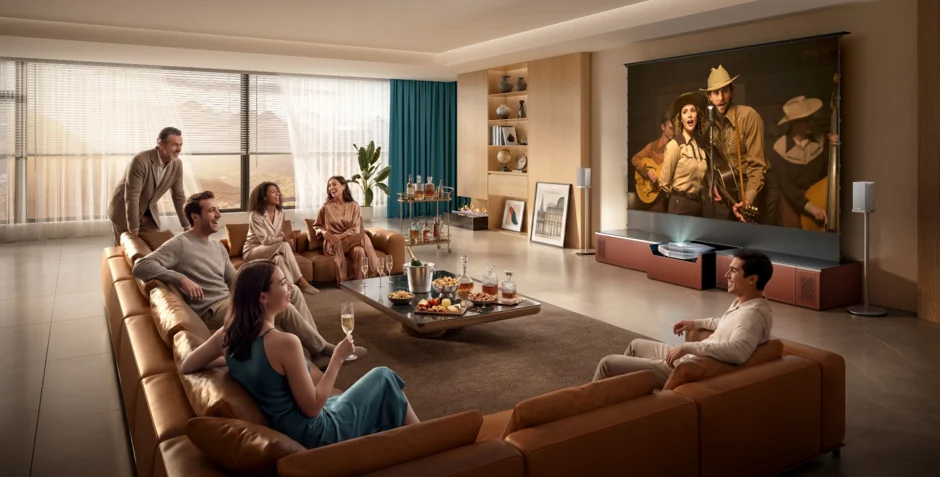
Your living room is essentially the heartbeat of your house. It is the spot where you crash after a long workday, host friends on the weekend, and binge your favorite shows. Lately, it might even double as a makeshift home office or a morning yoga studio. Since this space sees a ton of foot traffic and serves so many different purposes, making it as comfortable and inviting as possible makes a lot of sense. If you are hunting for practical home improvement ideas, upgrading your main gathering space is incredibly rewarding. You do not need to gut the entire house to make a difference. Even a handful of living room upgrade ideas can completely shift how you experience your home every single day.
Why the Living Room Is the Best Place to Start Improving
Figuring out where to spend your remodeling budget can feel a little overwhelming, especially for new homeowners. Kitchens and bathrooms usually get all the glory on home renovation shows, but they also drain your wallet the fastest due to intense plumbing and electrical demands. The living room, on the other hand, is a complete goldmine for diy home renovation projects. You can completely change the vibe with purely cosmetic updates. No building permits are required, and there is no need to wait weeks for specialized contractors to fit you into their schedule. It is the absolute perfect starting line for anyone looking to build a little sweat equity. Plus, the personal payoff is immediate. A thoughtfully designed living space gives you a daily sanctuary to unwind in, and it sets a welcoming, relaxed tone for anyone walking through your front door.
High Impact, Low Cost
The best part about kicking off your renovation journey here is the financial flexibility. It is incredibly easy to tackle home improvement on a budget when you are mostly dealing with aesthetics and surface-level changes. Because you are avoiding structural overhauls like knocking down load-bearing walls or moving water lines, you can keep a very tight grip on your expenses. Small investments in decor, textiles, or paint can yield a massive visual return. This means every dollar you spend goes directly toward making the room look and feel better immediately. You get maximum impact and a fresh atmosphere without the anxiety of a draining bank account.
Simple Upgrades That Transform the Space
You really do not need a sledgehammer to make a room feel brand new. In fact, the most dramatic transformations usually come from a few clever, deliberate tweaks. Rethinking how your space functions and appeals to the senses can yield some seriously impressive results that rival expensive remodels.
Lighting, Layout, and Paint
Lighting is probably the single most overlooked element in residential room design. Relying on one bright overhead fixture creates harsh shadows and completely kills any sense of coziness. You want to layer your lighting instead to create depth and warmth. Bring in a tall floor lamp to cast a warm ambient glow in a dark corner, add a stylish table lamp near your favorite reading chair, and maybe install some discreet LED light strips behind your media console or bookshelves.
Next, take a hard look at where your furniture currently sits. A classic rookie mistake is shoving every couch and chair flat against the walls to maximize floor space. Unfortunately, this creates a weird, empty dead zone in the middle of the room. Try floating your seating arrangement closer together, pulling pieces off the walls to create an intimate conversation hub. Anchor the furniture with a large, textured area rug to define the space. Just make sure people can still walk through the room easily and that everyone has a spot to set down a drink.
Finally, paint is your absolute best friend. Slapping a fresh coat on the walls is the fastest, most effective way to modernize a tired layout. Soft neutral tones will give you that calm, spa-like feel, while a dark accent wall can inject a massive dose of moody sophistication. Do not forget about the ceiling, either; a flat white can brighten things up, while a soft contrasting color draws the eye upward. Painting is cheap, forgiving, and easily done over a lazy weekend with a little elbow grease.
Adding Entertainment That Feels Built-In
A truly comfortable gathering spot needs to handle epic movie nights and Sunday football just as well as quiet evenings with a book. Usually, a giant television dictates the entire room layout, forcing all furniture to point in one direction. While modern flat screens are getting thinner, a massive black rectangle can still dominate your carefully curated decor when it is turned off. If you want a more refined, immersive setup without sacrificing the aesthetics of your living space, it might be time to rethink how you consume media.
Big Picture, Small Footprint
Rather than sacrificing prime wall real estate for a giant monitor, look into modern projection setups that blend right into your background. Today’s technology lets you enjoy a theater-sized screen without the permanent eyesore of traditional electronics hanging on the wall. Integrating a high-quality living room projector allows you to turn any blank wall or motorized screen into an epic cinematic display at a moment’s notice.
When the credits roll and you turn the system off, the equipment basically disappears from view. Your artwork, windows, or beautiful architectural details get to be the focal point of the room once again. This tactic works exceptionally well if you invest in a projector for all-day entertainment because the newest models pack enough brightness and contrast to look absolutely incredible even when the afternoon sun is pouring in through the windows. You get absolute flexibility: an unbeatable viewing experience when you want it, and an elegant, unobstructed living space when you do not.
Budgeting Your Home Improvement Project
Before you buy a single gallon of paint or order any new tech, you absolutely need a realistic financial plan. Start by writing down every single change you want to make, big or small, then rank them by what matters most to your daily life. Price out your materials, tools, and any new furnishings ahead of time so you are not caught off guard by hidden costs. It is always a smart idea to set aside an extra ten to fifteen percent of your total budget just in case you run into unexpected snags, like discovering damaged drywall hiding behind old wallpaper.
If you are serious about keeping costs down, you have to be honest about your own skills and limitations. Sure, hanging curtains, painting window trim, or assembling flat-pack furniture are fantastic ways to save cash. However, moving electrical outlets or attempting to rewire light fixtures should always be left to a licensed professional. By planning carefully, managing your spending, and focusing your energy on the upgrades that bring you the most joy, you can craft a beautifully cozy space that fits your lifestyle perfectly.
