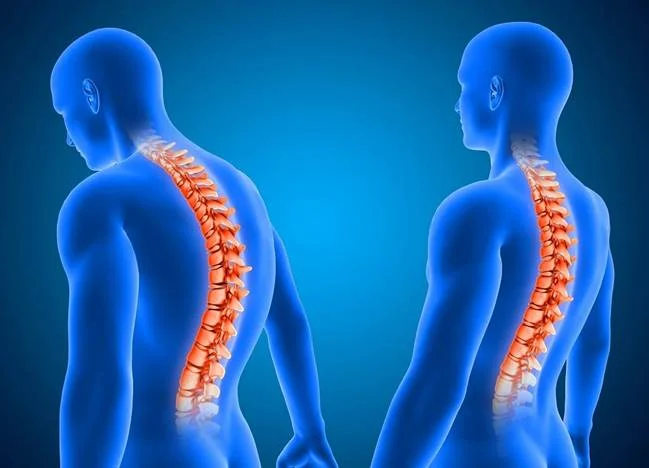
Back and neck problems are common, but not every spinal condition requires surgery. Many people improve with medicines, physiotherapy, exercise, activity modification, or other non-surgical treatments. Surgery may be considered when symptoms persist, neurological problems develop, or structural problems significantly affect daily life.
Modern spinal procedures include traditional open operations as well as minimally invasive techniques. TLIF and microdiscectomy are two procedures used for different spinal problems. Understanding how they differ can help patients have a more informed discussion with a spine specialist.
When Is Spine Surgery Considered?
Spine surgery is generally considered only when the expected benefits outweigh the potential risks. The decision depends on the diagnosis, severity of symptoms, neurological findings, imaging results, overall health, and response to non-surgical treatment.
Common Reasons for Surgery
Surgery may be considered for conditions such as:
- Herniated or slipped discs
- Spinal stenosis
- Degenerative disc disease
- Spondylolisthesis
- Spinal instability
- Nerve compression
- Certain spinal fractures
- Persistent symptoms despite conservative treatment
Not every abnormality visible on an MRI requires surgery. Imaging findings need to be interpreted alongside symptoms and physical examination findings.
What Is TLIF Surgery?
TLIF stands for Transforaminal Lumbar Interbody Fusion. It is a spinal fusion procedure generally performed in the lower back to stabilize a painful or unstable spinal segment.
During TLIF, the surgeon approaches the spine from the back, removes the problematic disc material between selected vertebrae, and places an implant or cage into the disc space. Bone graft material is used to encourage the vertebrae to fuse over time.
When Is TLIF Recommended?
TLIF may be considered for selected patients with conditions such as:
- Degenerative disc disease
- Spondylolisthesis
- Spinal instability
- Recurrent disc problems
- Foraminal or spinal narrowing associated with instability
- Certain chronic mechanical back problems
The procedure is not appropriate for every patient with back pain. A detailed assessment is required to determine whether spinal fusion is likely to provide meaningful benefit.
What Is Microdiscectomy?
Microdiscectomy is a procedure designed primarily to relieve pressure on a spinal nerve caused by a herniated disc. It is most commonly performed in the lower back when disc material compresses a nerve and causes symptoms such as sciatica.
The surgeon removes the portion of disc material that is pressing on the nerve while attempting to preserve as much of the surrounding anatomy as possible.
Who May Benefit From Microdiscectomy?
Microdiscectomy may be considered when a herniated disc causes persistent nerve-related symptoms, particularly when pain, numbness, or weakness does not improve adequately with conservative treatment.
It may also be considered sooner when significant or progressive neurological weakness is present. In Ahmedabad, patients considering spine surgery in Ahmedabad can undergo a detailed evaluation to identify the underlying cause of their symptoms, such as nerve compression, spinal instability, or another condition, and determine the most appropriate treatment approach.
TLIF vs Microdiscectomy: What’s the Difference?
Although both procedures involve the spine, they have different purposes.
| Feature | TLIF | Microdiscectomy |
| Main purpose | Stabilize and fuse a spinal segment | Relieve nerve compression |
| Common problem | Instability or degenerative conditions | Herniated disc |
| Disc removed | Disc space is prepared for fusion | Only problematic disc fragment removed |
| Fusion performed | Yes | Usually no |
| Implant used | Typically cage and fixation hardware | Usually no fusion hardware |
| Recovery | Generally longer | Usually shorter |
The appropriate procedure depends on the underlying problem rather than simply the severity of back pain.
What Is Minimally Invasive Spine Surgery?
Minimally invasive spine surgery uses specialized instruments and smaller incisions to access the spine while attempting to reduce disruption to surrounding muscles and tissues.
Depending on the condition, minimally invasive approaches may be used for procedures such as decompression, discectomy, or certain spinal fusions.
Potential Benefits
When appropriately performed, minimally invasive techniques may offer:
- Smaller incisions
- Less muscle disruption
- Reduced blood loss in some procedures
- Shorter hospital stays in selected cases
- Potentially faster early recovery
However, minimally invasive does not mean risk-free. The technique must be appropriate for the specific condition, anatomy, and surgical objective.
How Is a Spine Surgery Decision Made?
A spine specialist usually combines several types of information before recommending an operation. MRI or CT scans can show structural abnormalities, but these findings need to correspond with the patient’s symptoms and examination.
Factors Considered Before Surgery
The evaluation may include:
- Duration and severity of symptoms
- Location of pain
- Numbness or weakness
- Reflexes and muscle strength
- MRI or CT findings
- Previous treatments
- General medical condition
- Functional limitations
- Patient expectations
A second opinion may also be reasonable when surgery is recommended, particularly for complex procedures such as spinal fusion.
What Happens Before Surgery?
Preoperative preparation may include blood tests, imaging, medication review, and assessment of conditions such as diabetes, high blood pressure, heart disease, or respiratory problems.
Patients may be advised to stop smoking because tobacco use can interfere with healing, particularly after spinal fusion. The surgical team may also provide instructions about medications, fasting, activity, and postoperative arrangements.
Preparing the home environment and arranging assistance during the early recovery period can make returning home easier.
Recovery After Spine Surgery
Recovery varies significantly depending on the procedure. Microdiscectomy generally has a shorter recovery period than spinal fusion, although individual healing can differ.
Recovery After Microdiscectomy
Patients are often encouraged to walk soon after surgery. Activity is gradually increased while avoiding movements or lifting that could interfere with healing.
Leg pain caused by nerve compression may improve relatively quickly, although numbness or weakness can take longer to recover depending on how severely and how long the nerve was affected.
Recovery After TLIF
Fusion surgery requires a longer healing process because the vertebrae need time to fuse. Patients gradually increase walking and activity, often with guidance from physiotherapy.
The surgeon may restrict bending, lifting, and twisting during the early recovery period. Follow-up imaging may be used to monitor fusion and implant position.
Risks of Spine Surgery
Like any operation, spine surgery has potential risks. These can include infection, bleeding, blood clots, nerve injury, spinal fluid leakage, persistent symptoms, or the need for additional surgery.
Fusion procedures also carry risks such as failure of the bones to fuse, implant problems, or adjacent spinal segment problems. Patients should discuss procedure-specific risks with their surgical team before making a decision.
When Should Back Pain Be Evaluated Urgently?
Most back pain does not require emergency surgery, but certain symptoms require prompt medical assessment.
Seek urgent medical attention if back pain is accompanied by:
- New or worsening leg weakness
- Loss of bladder or bowel control
- Numbness around the genital or inner-thigh region
- Severe pain following major trauma
- Fever with significant back pain
- Rapidly progressing neurological symptoms
These symptoms can indicate serious nerve compression or another condition requiring urgent evaluation.
Conclusion
TLIF, microdiscectomy, and minimally invasive spine procedures are designed to treat different spinal problems. Microdiscectomy primarily removes disc material compressing a nerve, while TLIF aims to stabilize and fuse an affected spinal segment.
Minimally invasive techniques may reduce tissue disruption in appropriately selected patients, but they are not automatically suitable for every condition. A careful clinical examination, appropriate imaging, discussion of non-surgical options, and understanding of potential risks are essential before deciding on spine surgery.
Frequently Asked Questions
1. What is the difference between TLIF and microdiscectomy?
Microdiscectomy primarily removes a herniated disc fragment pressing on a nerve. TLIF is a fusion procedure used to stabilize a spinal segment. The appropriate operation depends on the underlying condition, symptoms, and spinal stability.
2. Is minimally invasive spine surgery safer?
Minimally invasive techniques can reduce muscle disruption and blood loss in selected procedures, but they still carry surgical risks. Safety depends on the patient’s condition, surgical approach, anatomy, surgeon expertise, and appropriate patient selection.
3. How long does recovery take after microdiscectomy?
Recovery after microdiscectomy is generally shorter than after spinal fusion, although individual timelines vary. Walking is often encouraged early, while heavy lifting and certain movements may be restricted temporarily according to the surgeon’s instructions.
4. How long does TLIF recovery take?
TLIF recovery takes longer because the operated vertebrae need time to fuse. Patients generally increase activity gradually, participate in rehabilitation when recommended, and attend follow-up appointments to monitor healing and spinal stability.
5. Does every slipped disc require surgery?
No. Many herniated discs improve with non-surgical treatment such as activity modification, medication, physiotherapy, and time. Surgery may be considered when symptoms persist, significantly affect function, or cause significant or progressive neurological problems.
