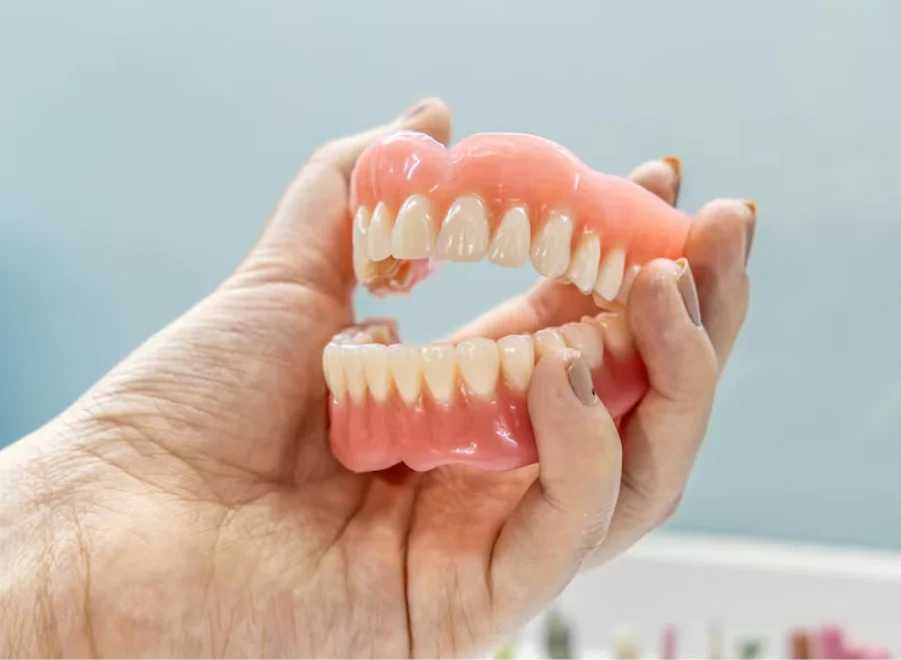
Dentures can start feeling loose even after fitting comfortably for years. The main reason is that the gums and jawbone beneath the denture gradually change shape after tooth loss, leaving less support for the appliance. Changes in oral tissues, denture wear, and bite forces can also affect stability. For people experiencing this problem, denture implants Tysons may offer a more secure option by anchoring a replacement appliance to dental implants. G4 Dental Implants can evaluate the condition of your current denture and the supporting tissues to determine what may be causing the looseness.
The Jaw Changes After Natural Teeth Are Lost
Natural teeth stimulate the jawbone through everyday chewing. Once teeth are removed, that stimulation decreases, and the bone that once supported the tooth roots can gradually shrink.
This process is called bone resorption. It does not happen at exactly the same rate for everyone, and the amount of change can vary from one area of the mouth to another. As the jawbone changes, the gum ridge resting beneath a denture can become narrower or flatter.
A denture made to fit the original shape of the gums may then have less surface contact and support. The appliance itself has not necessarily changed dramatically, but the foundation underneath it has.
This is one of the most common reasons an older denture begins moving during chewing or speaking.
Dentures Can Wear Down Over Time
Dentures are made from durable dental materials, but they are not permanent appliances. Years of chewing can gradually wear down the artificial teeth.
As the teeth become flatter, the way the upper and lower dentures meet can change. This can affect chewing efficiency and may create uneven forces that cause the denture to shift.
The base of a denture can also develop small changes from normal use. Repeated pressure, cleaning habits, accidental drops, and general wear may contribute to reduced fit.
A denture that once felt stable may therefore start moving even if the wearer has not noticed a major change in its appearance.
Gum Tissue Can Change Too
The supporting tissue beneath a denture is not completely static. Gum tissue can change in thickness and shape as the underlying bone remodels.
Inflammation can also affect how a denture feels. A poorly fitting appliance may rub against the gums, creating sore areas. Continued irritation can make wearing the denture uncomfortable and may make the appliance feel even less stable.
Drying the mouth can contribute to another problem. Saliva helps create natural adhesion between a removable denture and the oral tissues. Reduced saliva flow can make a denture feel less secure, particularly during speaking and eating.
Certain medications, medical conditions, and lifestyle factors can contribute to dry mouth, so persistent symptoms deserve a dental evaluation.
Why a Loose Denture Can Affect Daily Life
A loose denture is more than a cosmetic concern. Movement can interfere with normal chewing and make some foods difficult to manage.
Speaking may also become less comfortable. Some people notice clicking, slipping, or movement when they pronounce certain sounds. Others may begin avoiding social situations because they are concerned that their denture could move unexpectedly.
A loose appliance can also rub against the gums. Repeated friction may lead to tenderness, redness, or sore spots.
These problems are signs that the denture should be assessed rather than simply tolerated.
Can a Loose Denture Be Adjusted?
Sometimes adjustments can improve fitness. A dentist can examine how the denture contacts the gums, assess the bite, and look for areas where pressure is concentrated.
A reline may also be appropriate in some cases. During a reline, material is added to the tissue side of the denture, so it better corresponds with the current shape of the gums.
An adjustment or reline may work well when the denture itself remains in good condition, and the supporting tissues have changed moderately. It may not be the right answer when the denture is significantly worn, damaged, poorly designed, or lacking adequate support.
Trying to reshape or repair a denture at home can create additional problems. Household adhesives and DIY adjustments can interfere with professional fitting and may irritate oral tissues.
When Implants Can Provide More Stability
Dental implants can provide support beneath a removable denture by acting as anchors in the jawbone. Instead of relying entirely on the gums and natural suction, an implant-supported appliance gains additional stability from the implant attachments.
This can be particularly useful for people who experience repeated denture movement despite adjustments or relining.
The exact treatment depends on factors such as available bone, gum health, overall oral health, existing dental work, and the type of restoration being considered. An implant dentist at Tysons VA can use an examination and appropriate imaging to assess these factors before recommending treatment.
Implant-supported options may include an overdenture that attaches to implants while remaining removable. Other implant restorations can provide a more fixed approach. The appropriate design depends on the patient’s anatomy and treatment goals.
What Happens During an Implant Evaluation?
An implant evaluation begins with an examination of the mouth and existing denture. The dentist may assess the gums, bites, jawbone, and condition of the current appliance.
Dental imaging can provide additional information about bone volume and the location of important anatomical structures. This helps the dental team determine if implants can be placed safely and where they would provide useful support.
The condition of the remaining oral tissues also matters. Active gum disease, infection, or other oral health concerns may need attention before implant treatment proceeds.
G4 Dental Implants evaluates these factors as part of treatment planning, helping patients understand why their denture has become unstable and what options may address the underlying cause.
Denture Implants Are Not the Same as a Traditional Denture
A traditional denture rests directly on the gums and depends largely on the shape of the oral tissues for retention. An implant-supported denture receives additional support from implants positioned in the jaw.
This distinction can make a noticeable difference for people whose dentures repeatedly shift during normal activities.
Dental implants Tysons may also help reduce reliance on the gum ridge alone. Because the implants are placed into the jawbone, they provide a stable foundation for an attachment system.
Patients considering dental implants in Tysons corner VA should receive an individualized assessment rather than choosing treatment based only on how loose a denture feels. Several factors determine which restoration is appropriate.
Signs Your Denture May Need More Than an Adjustment
A dental evaluation is particularly useful if you notice:
- Frequent slipping or rocking while eating or speaking
- Repeated gum irritation or sore spots beneath the denture
- Difficulty chewing foods that were previously comfortable
- A noticeable change in how the upper and lower teeth meet
These signs do not automatically mean implants are necessary. They indicate that the denture, oral tissues, or bite should be evaluated to identify the source of the problem.
Protecting the Fit of Your Denture
Regular dental visits can help identify changes before denture problems become severe. Professional examinations allow the dentist to check the condition of the appliance and the tissues supporting it.
Daily cleaning also matters. Dentures should be cleaned according to professional instructions, and the gums and tongue should be cleaned as well. Removing the appliance as recommended gives the oral tissues an opportunity to rest.
Avoid using excessive force when inserting or removing a denture. Handle it carefully over a folded towel or a basin filled with water to reduce the risk of damage if it slips.
The denture should also be replaced when it can no longer provide an appropriate fit or function. An older appliance may not respond well to repeated adjustments if the underlying jaw anatomy has changed substantially.
A Loose Denture Is a Sign Worth Taking Seriously
A denture that once fit well can become loose because the jawbone and gum tissues change after tooth loss; the appliance wears down, or factors such as dry mouth and altered bite forces affect retention. The solution depends on the cause.
For some patients, an adjustment or reline may restore acceptable function. For others, implant-supported treatment can provide additional stability by giving the denture a stronger foundation.
If your denture has started moving, do not assume that looseness is simply something you must live with. An evaluation with a dentist experienced in implant dentistry Tysons VA can help identify the source of the problem and explain appropriate options. Contact Us Today to discuss your concerns and learn how your denture can be evaluated for improved comfort, function, and stability.
