Diabetes management is not limited to taking medicine or checking blood sugar occasionally. Long-term control usually depends on several parts working together, including healthy lifestyle habits, appropriate medication, and regular monitoring.
These three areas can help people understand how their condition responds to treatment and identify problems before they become serious. Diabetes management should also be personalised because treatment needs can vary depending on the type of diabetes, age, other health conditions, medications, and individual goals.
What Are the Three Pillars of Diabetes Management?
The three main pillars of diabetes management are lifestyle, medication, and monitoring. Each addresses a different part of blood glucose control, but they are closely connected.
- Lifestyle: Includes food choices, physical activity, sleep, weight management, and avoiding tobacco.
- Medication: Includes prescribed medicines or insulin when lifestyle measures alone are not sufficient.
- Monitoring: Involves checking blood glucose and having regular health assessments to understand control and identify complications.
A balanced approach is important because improving one area does not always compensate for problems in another. For example, taking medication consistently is important, but it does not replace healthy eating, physical activity, or recommended medical check-ups.
Pillar 1: Lifestyle Changes
Lifestyle habits can have a significant effect on blood glucose levels and overall health. However, lifestyle management does not mean following an extremely restrictive diet or making unrealistic changes. Sustainable habits that can be maintained over time are generally more useful.
Healthy Eating
A diabetes-friendly eating pattern focuses on balanced meals rather than completely eliminating specific foods. Portion sizes, carbohydrate intake, fibre, protein, and the overall nutritional quality of meals can all influence blood glucose.
Helpful habits may include:
- Eating regular, balanced meals
- Choosing vegetables and high-fibre foods
- Including appropriate protein sources
- Limiting highly processed foods
- Reducing excess added sugars
- Being mindful of portion sizes
- Choosing water or unsweetened drinks more often
A registered dietitian or healthcare professional can help create an eating plan that considers diabetes, medications, cultural food preferences, and other medical conditions.
Physical Activity
Regular physical activity can improve insulin sensitivity and help the body use glucose more effectively. Activities can include walking, cycling, swimming, strength exercises, or other forms of movement that are appropriate for the person’s health and fitness level.
People who have been inactive should increase activity gradually. Those with heart disease, severe complications, or other medical concerns may need professional advice before starting a new exercise program.
The Importance of Weight Management
For people with overweight or obesity and type 2 diabetes, gradual and sustainable weight loss may improve blood glucose control and other metabolic health measures. Even relatively modest changes can be meaningful for some individuals.
Weight management should focus on healthy habits rather than rapid dieting. Extremely restrictive diets may be difficult to maintain and can create problems, particularly for people taking medicines that can cause low blood glucose.
The appropriate weight goal should be discussed with a healthcare professional rather than based only on a general ideal weight.
Pillar 2: Medication and Insulin
Some people can manage type 2 diabetes through lifestyle changes initially, while others need medication from the beginning or as the condition progresses. People with type 1 diabetes require insulin because their bodies do not produce enough insulin to regulate blood glucose.
Common Diabetes Medicines
Depending on the type and stage of diabetes, treatment may involve:
- Metformin
- SGLT2 inhibitors
- GLP-1 receptor agonists
- DPP-4 inhibitors
- Sulfonylureas
- Thiazolidinediones
- Insulin
The choice depends on factors such as blood glucose levels, kidney and heart health, weight considerations, other medications, cost, and individual treatment goals.
Take Medicines as Prescribed
Skipping doses, changing the timing, or stopping medication without medical advice can cause blood glucose to rise or create other health risks.
If a medicine causes side effects, seems ineffective, or becomes difficult to take regularly, patients should discuss the problem with their healthcare professional. The treatment plan may need adjustment rather than simply being discontinued.
Understanding Low Blood Sugar
Some diabetes medicines, particularly insulin and certain other glucose-lowering medicines, can cause hypoglycaemia, or low blood sugar.
Common Symptoms
Signs can include:
- Shaking
- Sweating
- Hunger
- Dizziness
- Irritability
- Fast heartbeat
- Difficulty concentrating
- Confusion
People taking medicines that can cause hypoglycaemia should understand how to recognise and manage it. Repeated episodes should be discussed with a healthcare professional because medication or lifestyle adjustments may be necessary.
Pillar 3: Regular Monitoring
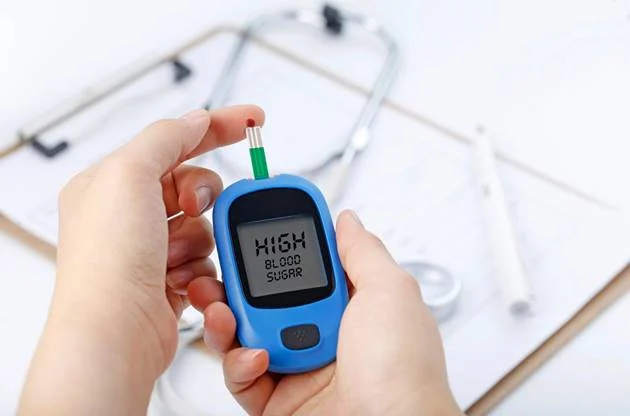
Monitoring helps patients and healthcare professionals understand whether diabetes treatment is working. It can include home blood glucose testing, HbA1c testing, blood pressure checks, cholesterol testing, kidney assessments, and screening for diabetes-related complications.
Blood Glucose Monitoring
Not everyone with diabetes needs to check blood glucose at the same frequency. Monitoring requirements depend on the type of diabetes, medications, treatment goals, pregnancy status, and risk of low blood sugar.
Some people use glucose meters, while others may use continuous glucose monitoring systems. The healthcare team can recommend the most appropriate approach.
Why HbA1c Matters
HbA1c provides an estimate of average blood glucose over approximately the previous two to three months. It is commonly used to assess longer-term diabetes control.
However, HbA1c is only one part of diabetes management. Healthcare professionals may also consider daily glucose patterns, episodes of low blood sugar, symptoms, medications, lifestyle, and other health measurements.
Regular Health Checks
Diabetes can affect different parts of the body over time. Regular assessments may include:
- Blood pressure monitoring
- Cholesterol testing
- Kidney function testing
- Eye examinations
- Foot checks
- Dental care
- Weight assessment
These checks can help identify complications early and support timely treatment.
How the Three Pillars Work Together
Lifestyle, medication, and monitoring should not be viewed as separate tasks. They influence one another continuously.
For example, increasing physical activity may lower blood glucose, which could affect medication requirements. Similarly, illness, changes in eating patterns, or reduced activity may raise glucose levels and require temporary treatment adjustments.
In Delhi, individuals looking for effective diabetes treatment Delhi should consider factors like doctor’s qualifications and experience, patient reviews, and access to advanced technology to manage diabetes-related complications.
Personalised Diabetes Management
There is no single diabetes plan that works equally well for everyone. A person’s treatment may change over time depending on glucose levels, age, lifestyle, pregnancy, kidney function, cardiovascular health, and other medical conditions.
Regular communication with the healthcare team allows treatment to be adjusted when circumstances change.
Building Sustainable Daily Habits
Diabetes management becomes easier when healthy actions are incorporated into everyday routines. Instead of trying to change everything at once, patients can focus on practical improvements that are realistic for their lifestyle.
Simple habits may include:
- Taking medicines at consistent times
- Keeping scheduled medical appointments
- Staying physically active
- Planning balanced meals
- Getting adequate sleep
- Monitoring glucose when advised
- Checking feet regularly
- Limiting tobacco exposure
- Managing stress through healthy strategies
Small, consistent habits can be more sustainable than short-term efforts based on strict rules.
When Should You Contact Your Healthcare Team?
Patients should contact their healthcare professional when blood glucose remains consistently outside their recommended range, low blood sugar occurs repeatedly, medication causes concerning side effects, or new symptoms develop.
Urgent medical attention may be necessary for severe symptoms such as confusion, loss of consciousness, difficulty breathing, persistent vomiting, or very high or very low blood glucose accompanied by serious symptoms.
Conclusion
Effective diabetes management involves more than one treatment method. Lifestyle habits, appropriate medication, and regular monitoring work together to support blood glucose control and reduce the risk of long-term complications.
The right approach varies from person to person and may change over time. Following a personalised treatment plan, attending recommended check-ups, taking medicines as prescribed, and communicating changes with the healthcare team can make diabetes management more effective and sustainable.
Frequently Asked Questions
1. What are the three main pillars of diabetes management?
The three main pillars are lifestyle management, medication, and monitoring. Healthy eating and physical activity support overall health, prescribed treatments control blood glucose, and regular monitoring helps assess treatment effectiveness and identify potential problems.
2. Can lifestyle changes alone control diabetes?
Some people with type 2 diabetes may improve glucose control significantly through lifestyle changes, particularly early in the condition. However, many people eventually require medication. Treatment should always be based on individual medical assessment.
3. How often should blood sugar be checked?
The required frequency varies depending on diabetes type, medications, treatment goals, and risk of hypoglycaemia. People using insulin may need more frequent testing. A healthcare professional can recommend an appropriate monitoring schedule.
4. What is the role of HbA1c in diabetes?
HbA1c reflects average blood glucose over roughly two to three months and helps healthcare professionals evaluate longer-term control. It is usually considered alongside daily glucose readings, symptoms, medications, and other health measurements.
5. Why are regular diabetes check-ups important?
Regular check-ups help assess blood glucose control, medications, blood pressure, cholesterol, kidney health, eyes, and feet. Early identification of changes can allow treatment adjustments and help reduce the risk of diabetes-related complications.
