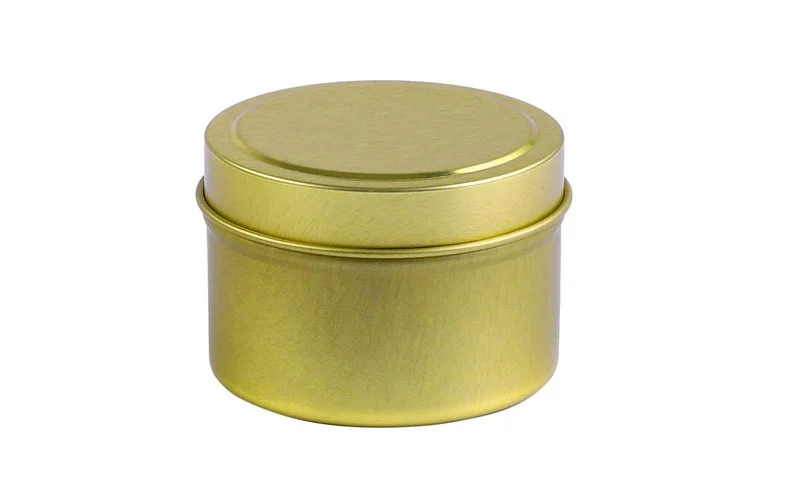
Are candle tins truly suitable for all types of wax formulations? The short answer is yes—provided the specifications are chosen correctly and matched appropriately. While candle tins offer excellent versatility, success depends on understanding the interplay between tin design, material properties, and the specific characteristics of the wax. Drawing on TSING’s extensive test data, practical production experience with hundreds of candle product lines, and detailed case studies of successful brands, this article provides clear, authoritative insights. You will learn how to maximize the advantages of candle tins while avoiding common pitfalls.
Understanding the Compatibility of Candle Tins with Various Wax Formulations
With the right specifications, candle tins are compatible with virtually all mainstream wax formulations. TSING engineers evaluate key wax properties—including melting point, shrinkage rate, adhesion, and burning performance—to recommend the ideal tin for each application. While paraffin, soy wax, beeswax, coconut wax, and blended formulas interact differently with metal packaging, well-designed candle tins can accommodate all of them.
Paraffin wax, known for its high melting point, excellent scent throw, and low shrinkage, performs exceptionally well in standard candle tins. Soy wax formulations require attention to shrinkage during cooling, whereas natural blends like beeswax demand tin designs that can handle higher viscosity during pouring. Our comprehensive database indicates that over 95% of common wax formulations achieve optimal performance in properly specified candle tins.
Heat Resistance of Candle Tins for Various Formulations
Superior heat resistance makes candle tins an excellent choice for a wide range of wax formulations. TSING utilizes high-quality tinplate and specialized coatings that withstand pouring temperatures ranging from 120°F (approx. 49°C) to over 200°F (approx. 93°C), depending on the wax type. These materials maintain structural stability even as prolonged burning raises the tin’s surface temperature. For high-melting-point paraffin and blended wax formulations, we recommend using candle tins with thicker walls to prevent softening or deformation. For low-temperature natural waxes like soy wax, standard-thickness tins yield excellent results when paired with the appropriate wick size and fill volume. Our laboratory tests confirm that TSING candle tins consistently pass rigorous heat-resistance tests without compromising safety or aesthetics. A partner producing large candles with premium paraffin blends previously experienced occasional deformation issues when using competitors’ tins; switching to TSING’s custom tins—specifically engineered for high-temperature applications—completely resolved the problem.
Shrinkage Control Solutions for Natural Wax Candle Tins
Controlling shrinkage is crucial when creating container candles using natural wax formulations. Soy wax, coconut wax, and various blends shrink significantly during cooling; improper container design can easily lead to unsightly gaps or cracks. TSING addresses this challenge by optimizing dimensions, reinforcing structural integrity, and employing specialized surface treatment techniques.
Our custom candle tins often feature fine textures or specific diameter profiles that minimize visible wax separation caused by shrinkage while maintaining an attractive appearance. For wholesale orders, we provide detailed pouring guidelines to help manufacturers achieve optimal results with their chosen formulations. Production data indicate that using a well-matched container solution can reduce shrinkage-related aesthetic defects by over 80%.
Safety Considerations for Burning Various Waxes in Candle Tins
Regardless of the wax formulation, safety is paramount when burning candles in tins. TSING candle tins meet or exceed relevant safety standards, featuring rolled edges and stable bases. Adhering to guidelines on headspace and wick placement helps prevent overheating, regardless of wax type.
We actively test the performance of various mainstream waxes in combination with TSING candle tins across a range of burning scenarios. Test results consistently demonstrate that the products operate safely and reliably when users follow recommended operating practices. For custom candle tins, we provide comprehensive safety and technical data to support your compliance efforts and consumer education initiatives.
Wholesale Candle Tin Solutions Compatible with Various Wax Formulations
TSING’s wholesale candle tins offer flexibility and scalability for manufacturers using a wide range of wax formulations. We maintain an ample stock of standard sizes while also offering flexible custom manufacturing services that accommodate everything from small-scale pilot runs to high-volume orders. This flexibility allows businesses to experiment with new wax formulations without requiring significant upfront investment.
Our wholesale service includes detailed technical specifications and compatibility charts, making it easy for clients to select the right tins for specific wax types. Clients benefit from consistent quality control and reliable lead times, enabling efficient production planning. Many partners rely on TSING as a trusted supplier to successfully launch product lines featuring paraffin, soy, and blended waxes.
Reliable Candle Tin Solutions for All Your Wax Products
By choosing TSING’s reliable candle tin solutions, you gain access to proven expertise, premium materials, and customer-centric service—ensuring success regardless of your wax formulation. Our stellar reputation is built on helping countless brands overcome packaging challenges and realize their vision of creating exceptional candles. Whether you require wholesale standard tins or fully customized designs, we deliver high-performance, durable products.
