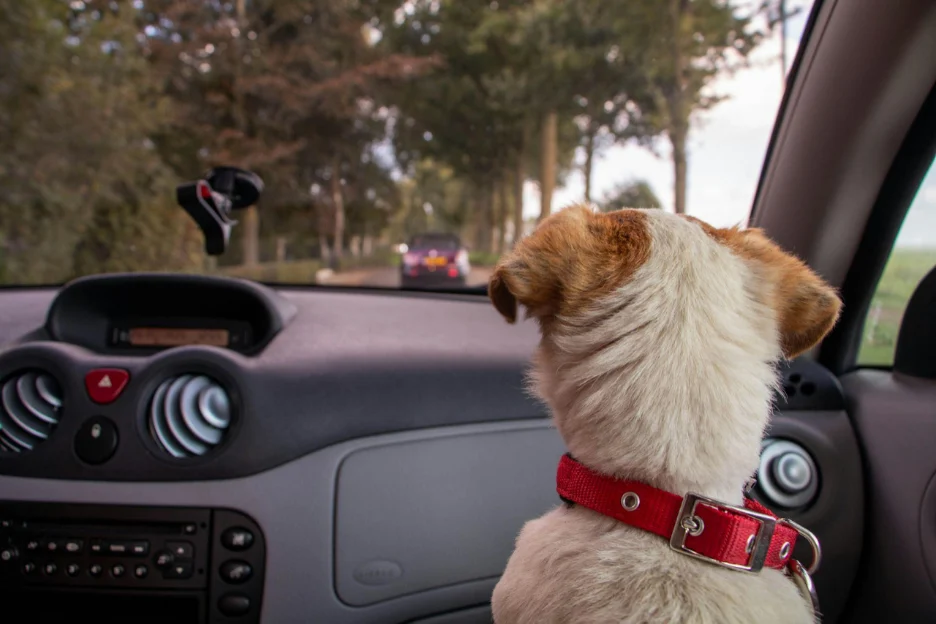
Road trips can be exciting adventures, but for pets they often involve unfamiliar sights, sounds, and routines. Whether you’re heading to a vacation destination, visiting family, or relocating to a new home, preparing for your pet’s comfort can make the journey far more enjoyable for everyone involved.
A successful trip isn’t simply about reaching the destination safely. It’s also about minimizing stress, maintaining familiar routines where possible, and ensuring your pet has everything needed to remain comfortable throughout the drive. With thoughtful planning, even longer journeys can become positive experiences rather than challenging ones.
Prepare Your Pet Before the Journey Begins
Long before loading the car, it helps to familiarize your pet with short drives if they aren’t already comfortable traveling. Gradually increasing trip length allows dogs and cats to associate car rides with positive experiences instead of only veterinary visits or other stressful events.
Some pet owners also include wellness products as part of their pet’s regular care routine while preparing for travel. As they explore products specifically formulated for animals, some choose to browse Medterra while considering options that fit into their pet’s overall wellness routine rather than using them only during travel.
Keep Fresh Water Easily Accessible
Hydration is one of the most important aspects of any long drive. Even in air-conditioned vehicles, pets can become thirsty after spending several hours in the car. Bringing more water than you expect to need helps ensure your pet remains comfortable throughout the trip.
Portable water bowls or collapsible silicone bowls make offering drinks during rest stops simple and convenient. Rather than waiting until your pet appears thirsty, offering small amounts of water at regular intervals helps maintain hydration without encouraging excessive drinking immediately before returning to the road.
It’s generally best to avoid allowing pets to drink from unfamiliar outdoor water sources during breaks, as ponds or standing water may contain bacteria or parasites.
Create a Safe and Comfortable Travel Space
A secure pet is usually a calmer pet. Properly fitted travel crates, crash-tested harnesses, or pet seatbelt systems help reduce movement inside the vehicle while improving safety for everyone in the car.
Adding familiar blankets, favorite toys, or bedding carrying familiar scents can also make the travel area feel more reassuring. These familiar items often help reduce anxiety because they provide consistency despite changing surroundings.
Maintaining a comfortable vehicle temperature is equally important. Pets can overheat quickly, particularly during summer travel, so good ventilation and climate control should remain priorities throughout the journey.
Schedule Frequent Breaks
Even the most experienced traveling pets benefit from regular opportunities to leave the vehicle. Planned breaks every two to three hours allow dogs to stretch, relieve themselves, drink water, and burn off some energy before continuing the trip.
Rest stops also provide owners with opportunities to check their pet’s overall condition. Watching for excessive panting, unusual lethargy, restlessness, or signs of discomfort allows small concerns to be addressed before they become larger problems.
Whenever stopping, pets should remain securely leashed before opening vehicle doors, especially in unfamiliar areas where unexpected distractions may cause them to run.
Pack Familiar Food and Treats
Changing both environment and diet simultaneously may upset a pet’s stomach. Bringing the same food your pet normally eats helps maintain routine while reducing the chance of digestive discomfort during travel.
Treats can also be useful for reinforcing calm behavior throughout the trip, but moderation is important. Offering several small treats during rest stops often works better than providing large amounts of food while the vehicle is moving.
If your pet has a sensitive stomach, avoiding heavy meals immediately before departure may also help reduce motion-related discomfort.
Watch for Signs of Stress
Every pet responds differently to travel. Some sleep peacefully for hours, while others become restless or anxious after only a short period in the car. Paying attention to changes in behavior allows owners to respond appropriately during the journey.
Signs such as excessive drooling, whining, pacing, vomiting, trembling, or refusing food may indicate motion sickness or travel-related anxiety. If these symptoms occur regularly, discussing travel strategies with a veterinarian before future trips can be helpful.
For pets with significant anxiety or medical conditions, a veterinarian can recommend appropriate travel plans or treatments tailored to the individual animal.
A Comfortable Trip Begins With Good Preparation
Traveling with pets requires a little more planning, but the extra effort often leads to a far more enjoyable experience for both owners and their companions. Safe restraint, regular hydration, familiar comforts, scheduled rest breaks, and thoughtful preparation all contribute to smoother journeys.
By focusing on your pet’s physical comfort as well as their emotional well-being, long car rides become much less stressful. Whether the destination is a weekend getaway or a cross-country adventure, careful planning helps ensure the journey is every bit as enjoyable as arriving at the destination.
