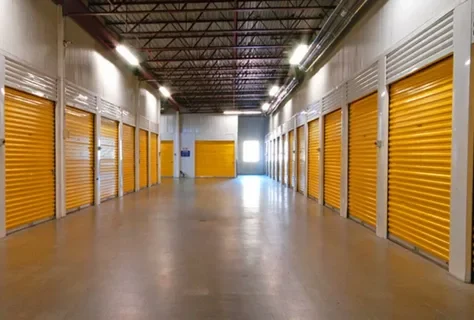
Leaving your belongings somewhere unfamiliar can feel uncomfortable. You may be storing furniture during a move, keeping suitcases between flights, or clearing your apartment before an extended trip. Either way, you want more than an empty room with a lock.
You want to know who can enter the facility, how your belongings are recorded, what happens if something is damaged, and whether you can collect your items when needed.
Secure self storage gives individuals, families, travellers, and small businesses a dedicated place to keep their belongings outside the home. However, security depends on the facility, contract, access controls, and storage conditions—not simply on the word “secure” appearing in an advertisement.
This guide explains how to assess storage options in Dubai, compare costs, protect your belongings, and avoid expensive mistakes before booking.
What Is Secure Self Storage?
Secure self storage is a service that allows you to rent a private unit, locker, container, or managed storage space for your belongings.
You can store items yourself or arrange a collection, with rental periods ranging from days to months, including luggage storage Dubai.
People commonly use storage for:
- Household furniture
- Moving boxes
- Seasonal clothing
- Sports equipment
- Business stock
- Documents
- Electronics
- Travel bags and suitcases
- Items removed during renovation
The word “secure” should describe actual protective measures. These may include controlled entry, individually locked units, CCTV coverage, fire-detection systems, visitor records, staff supervision, and written procedures for handling stored goods.
Not every facility provides the same level of protection. Ask the company to explain its security process rather than accepting a general promise.
Why Secure Storage Matters in Dubai
Dubai residents often move between apartments, travel for work, renovate properties, or live in homes where spare space is limited.
Storage can solve these temporary problems, but choosing the wrong facility can create new ones.
It protects your living space from clutter
Suitcases, boxes, unused furniture, and seasonal items can quickly occupy a spare bedroom or hallway. Moving them into storage gives you back the space you’re already paying to live in.
It creates flexibility during a move
Property handover dates don’t always align. Your current tenancy may end before your new apartment is ready.
Temporary storage allows you to complete the move without sending your belongings to several different locations.
It reduces damage during renovation
Furniture left inside a renovation area can be exposed to dust, paint, drilling debris, moisture, and accidental knocks.
Placing larger or more valuable items in storage gives contractors room to work and makes the property easier to clean.
It supports frequent travellers
Travellers may need luggage storage in Dubai between hotel checkout and a late-night flight. Other residents may require longer storage while working abroad or returning home for several months.
The right service depends on whether you’re storing one suitcase for a few hours or the contents of an apartment for half a year.
Secure Self Storage and Luggage Storage Are Different
Although both services keep belongings outside your home, they solve different problems.
Self storage units
A self-storage unit is generally suitable for larger volumes and longer rental periods. You may rent a small locker or enough space for furniture, appliances, and moving cartons.
You’ll usually pay weekly or monthly. Access arrangements vary by facility.
Luggage storage
Luggage storage is designed for suitcases, backpacks, shopping bags, and travel items. It’s commonly rented by the hour or day.
This option is useful when:
- You’ve checked out of your hotel early
- Your flight leaves late at night
- You’re visiting Dubai during a stopover
- You don’t want to carry bags between meetings
- Your short-term accommodation won’t hold luggage before check-in
Some luggage-storage networks advertise rates starting at around AED 25 per item per day, while others offer hourly and daily pricing. These figures are promotional indicators and can change according to location, bag size, demand, service fees, and protection plans.
For several boxes, furniture, or long-term belongings, a monthly self-storage unit will usually be more appropriate than paying a daily luggage rate.
Features to Look for in a Secure Storage Facility
A modern-looking entrance doesn’t prove that the actual storage area is suitable. Inspect the facility or request a live video tour before signing a long-term agreement.
Controlled facility access
Ask who can enter the building and how access is recorded.
Possible access methods include:
- Individual PIN codes
- Electronic access cards
- Mobile-app entry
- Staff-controlled entry
- Physical keys
- Biometric systems
Also ask what happens when an employee leaves, a code is shared, or a customer loses an access card.
CCTV coverage
Cameras should cover important entry points, corridors, loading areas, and common spaces.
Ask whether footage is continuously recorded, how long it is retained, and who is authorised to review it. CCTV is useful, but it doesn’t replace secure locks and controlled entry.
Fire and emergency precautions
Ask about alarms, fire detection, extinguishing equipment, emergency exits, and staff training.
Dubai Civil Defence publishes the UAE Fire and Life Safety Code of Practice. Customers don’t need to interpret the entire code, but they can reasonably ask whether a facility follows the safety requirements applicable to its building and operations.
Clean and dry storage conditions
Visit the actual unit if possible. Look for signs of water marks, unusual odours, dust accumulation, insects, damaged ceilings, or poor ventilation.
A storage area should be clean before your belongings arrive. Ask how frequently pest-control and maintenance inspections are completed.
Individual unit protection
Find out whether your space is private or shared.
A private unit should have its own locking arrangement. With managed or shared storage, ask how your items are separated, labelled, inventoried, and protected from other customers’ belongings.
Climate-controlled options
Sensitive items may require more stable indoor conditions.
Climate-controlled storage may be suitable for:
- Wooden furniture
- Electronics
- Books and documents
- Artwork
- Photographs
- Leather items
- Musical instruments
- Collectibles
Ask the provider what “climate controlled” means in practical terms. Air conditioning alone doesn’t necessarily mean that temperature and humidity are consistently monitored.
How to Choose Secure Self Storage Step by Step
1. Prepare an accurate inventory
List every large item, appliance, suitcase, and carton.
Include photographs and measurements for furniture. An accurate inventory helps the company recommend suitable space and reduces the risk of receiving a higher bill on moving day.
2. Decide how long you need storage
A daily luggage service may suit a short stopover. A monthly unit is more suitable for household goods or long-term travel.
Ask whether the contract renews automatically and how much notice is required to leave.
3. Estimate how often you’ll need access
Frequent access may justify choosing a private unit closer to your home.
Managed warehouse storage can work well when your belongings will remain untouched, but individual retrievals may require advance notice or additional fees.
4. Compare complete quotations
Don’t compare providers using only the advertised monthly rate.
Request written charges for:
- Unit rental
- VAT
- Security deposit
- Collection
- Delivery
- Packing materials
- Loading labour
- Furniture dismantling
- Reassembly
- Access or retrieval
- Insurance
- Administration
- Contract cancellation
5. Inspect the storage conditions
Visit the facility or ask for a real-time video tour of the unit, loading entrance, corridors, and security points.
Marketing photographs may not show the exact building or unit you’ll receive.
6. Read the agreement carefully
Review the minimum rental period, payment schedule, late-payment policy, access rights, liability limits, prohibited items, and cancellation process.
The UAE Government provides information about consumer rights and official complaint channels, including consumer complaint services in Dubai.
7. Create your own record
Number each box and keep an inventory on your phone or cloud storage.
Take photographs before handing items to the company. Keep your quotation, contract, payment receipts, and communication history together.
How Much Does Secure Self Storage Cost in Dubai?
Storage prices depend on the amount of space, facility location, contract length, access, and service level.
Some Dubai storage listings advertise entry-level spaces from approximately AED 128 to AED 153 per month, while a broader storage marketplace advertises units starting from AED 149 per month. These are promotional starting prices rather than standard market rates and may apply only to very small spaces or specific contract conditions.
The final price may be affected by:
- Unit size
- Storage volume
- Facility location
- Private or shared space
- Climate control
- Rental duration
- Number of access visits
- Collection distance
- Packing requirements
- Labour and vehicle size
- Insurance options
- Seasonal promotions
Container storage can be priced differently. One Dubai pricing guide estimates approximately AED 600–900 per month for a 10-foot container, with larger containers costing more. Treat such figures as estimates because rates vary between providers and can change.
Always ask for the total cost over your expected rental period. A low first-month offer may not remain inexpensive once deposits, transport, handling, and renewal rates are included.
Common Mistakes to Avoid
Choosing the lowest price without inspecting the facility
A cheap unit isn’t good value if it has poor access, weak security, or unsuitable storage conditions.
Compare the entire service rather than one number.
Storing belongings without an inventory
Without labels and photographs, proving what was stored becomes difficult.
Use numbered boxes and record any existing scratches or damage before collection.
Packing damp or dirty items
Moisture can remain trapped inside rugs, clothing, furniture, and appliances.
Clean and fully dry everything before packing. Empty and defrost refrigerators and freezers before storage.
Blocking access to important boxes
Place items you’re likely to need near the front of the unit.
Leave a narrow walkway when possible. Otherwise, retrieving one suitcase may require unloading half the space.
Assuming insurance is automatically included
Ask whether the quoted price includes insurance, limited liability, or no protection at all.
Request the coverage conditions, exclusions, claim process, and maximum compensation in writing.
Storing prohibited goods
Facilities commonly reject hazardous chemicals, flammable liquids, perishable food, gas cylinders, illegal products, live animals, and certain controlled items.
Dubai Customs distinguishes between prohibited goods and restricted goods that require approval from a competent authority. Ask the storage provider for its own written list before packing.
Expert Tips for Keeping Belongings Safer
- Use strong, stackable cartons instead of damaged moving boxes.
- Don’t make boxes too heavy for one person to lift safely.
- Place heavier cartons at the bottom.
- Keep electronics away from direct floor contact.
- Store screws and furniture fittings in clearly labelled bags.
- Avoid placing heavy boxes on sofas or mattresses.
- Use suitable covers for wooden and upholstered furniture.
- Keep passports, cash, jewellery, and irreplaceable legal documents with you.
- Review stored belongings periodically during a long rental.
- Authorise another person in writing when someone else may collect your items.
A good storage company should be willing to explain its process. Vague responses about access, liability, or facility conditions are a reason to compare another provider.
Store Your Belongings with Greater Confidence
Secure storage isn’t only about placing a padlock on a door. It involves knowing who can enter the facility, how items are handled, what the contract covers, and what support is available when something goes wrong.
Before booking, compare several written quotations, inspect the storage space, read the terms, and keep your own inventory.
For short trips, luggage storage in Dubai may offer the flexibility you need. For furniture, moving boxes, business goods, or extended travel, a private or managed self-storage unit will usually provide better long-term value.
Share your inventory, rental period, access needs, and collection location when requesting a quotation. The more accurate your information is, the easier it becomes to receive the right unit and a realistic price.
