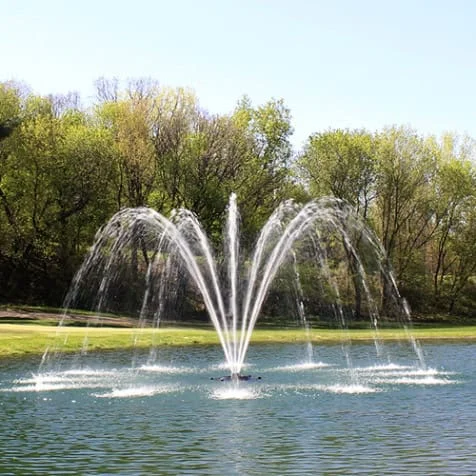
Outdoor water features have shifted from simple garden additions to thoughtful design elements that shape the character of a space. Property owners now expect their fountains to perform reliably across changing seasons, weather swings, and changing use patterns. Behind every smooth flow and crisp display sits an engineering choice that most people rarely think about until something goes wrong.
A well-built water fountain pump gives property owners steady circulation, dependable spray patterns, and a quieter operation that elevates the entire feature. It supports water clarity, reduces stagnation risks, and keeps the visual display consistent through years of use. The right choice rewards owners with cleaner ponds, healthier ecosystems, and a fountain that continues performing beautifully season after season.
What Truly Separates an Average Pump From a Great One
Engineering That Shapes Every Drop: The internal design of a pump shapes how cleanly water moves through the system and how much energy converts into actual flow. Quality builds rely on precision-machined parts, balanced motors, and tight tolerances that limit wasted output. Strong hydraulic efficiency means more water displaced per watt consumed, which matters for daily costs and long-term component wear.
Why Build Quality Translates to Real-World Results: Pumps face constant exposure to debris, mineral deposits, and temperature swings that wear lesser components down over time. Heavy-duty housings, sealed bearings, and corrosion-resistant materials handle these stressors with far less degradation. Property owners who pick well-engineered models often find their fountains keep performing long after cheaper alternatives have already failed.
The Quiet Advantage Buyers Sometimes Overlook: Noise levels separate ordinary pumps from genuinely good ones, and that difference becomes obvious during quiet evenings around the pond. Vibration dampening, brushless motor construction, and balanced rotation all play a role in keeping operation smooth. A fountain that hums softly rather than rattling loudly tends to get used more often by everyone around it.
When Outdated Equipment Starts to Show Its Age
The Slow Decline No One Notices Right Away: Older or undersized pumps rarely fail dramatically. They drift downward in performance, with weaker spray heights, choppier patterns, and slightly noisier operation. The impeller design wears unevenly, mineral buildup restricts internal passages, and motor coils lose efficiency. By the time the change becomes obvious, the fountain has been delivering reduced output for many months.
Maintenance Demands Climb As Components Age: A struggling pump pulls more electricity, demands more cleaning, and creates more service calls than a properly sized replacement would. Owners often spend more keeping a tired unit running than they would switching to something better suited to the pond’s actual demands. Recognizing this tipping point early saves both money and frustration over many seasons.
Hidden Costs of Postponing the Inevitable: Delaying a replacement rarely saves money in any meaningful sense. Older pumps drag down water quality, force more chemical treatments, and shorten the life of nearby equipment like filters and lighting. The savings from putting off a new unit get eaten up by patchwork repairs and the slow decline of everything else connected to the system.
The Quiet Clues a Tired Pump Leaves Behind
Subtle Cues That Hint at a Bigger Problem: Catching pump trouble early prevents bigger headaches down the road. Most struggling systems show small clues before they fail outright, and noticing those clues gives owners time to act before the fountain stops working completely. Watching for patterns over a few weeks tends to be more useful than reacting to one bad day.
- Spray height that gradually shrinks or sputters during normal operation.
- Strange humming, grinding, or clicking sounds coming from the housing.
- Higher electricity bills with no other clear cause across recent months.
- Debris collects around intake screens far more often than before.
- Water that looks cloudier despite regular cleaning of filters and surfaces.
- Reduced spray distance or pattern symmetry compared to original installation.
Acting on These Clues Before They Multiply: Recognizing these warnings means very little without a willingness to respond. Owners who plan ahead can often schedule a replacement during a slow season, when the fountain matters less and contractors are easier to book. Waiting until everything fails at once tends to be both more expensive and more disruptive to the property’s overall appearance.
Picking a Pump That Earns Its Keep
Sizing the System to Match the Setting: Pump capacity should reflect the pond’s volume, the desired spray height, and the depth of water above the unit. Oversizing wastes electricity and can damage delicate features, while undersizing leaves the fountain looking weak. A good rule of thumb is circulating the full pond volume at least once every two hours.
Materials Matter More Than Most Buyers Realize: Stainless steel shafts, thermoplastic housings, and sealed motor compartments hold up against harsh pond conditions. Cheaper plastics crack, basic metals corrode, and poorly sealed units flood internally after one bad season. Looking past sticker price toward material quality usually pays back many times over within a couple of years.
Different Settings Call for Different Strengths
Residential Ponds and Backyard Sanctuaries: Home water features serve as relaxation zones, so quiet operation and easy upkeep matter as much as raw output. A balanced choice gives homeowners steady circulation without intrusive sound or constant fiddling. The right setup turns a backyard pond into a daily source of calm rather than another item on the maintenance list.
Commercial Properties and Public Water Displays: Larger installations face heavier demands from foot traffic, viewing angles, and longer running hours. Pumps in these settings need to handle continuous duty cycles without losing performance during peak visiting times. Selecting durable equipment from the start protects property owners from disruptive failures during the busiest stretches of the year.
A Water Feature Worth Admiring for Years to Come
The right pump shapes how a fountain looks, how it sounds, and how long it serves the property without trouble. Choosing equipment built for real-world conditions makes the difference between a feature people enjoy and one that becomes a recurring chore. Explore high-performance pump options today and bring your water feature back to its very best.
