Net Operating Losses (NOLs) have been a financial cushion for many California business owners for many years. NOL deductions can be used to offset taxable income in the future if the business suffers losses; this is also beneficial when profits come back. NOL deductions were temporarily suspended in California, and the limit on business tax credits has caused serious cash flow problems for many small-to-midsize businesses.
Earlier this year, businesses were hoping for tax relief in recovery periods, but now they may be getting more tax bills than expected because of the financial losses they suffered. Hire experts only (like an attorney for IRS issues) to handle any tax issues you are facing.
What is NOL Suspension?
As part of California’s revenue-generating steps to balance the state budget, the state temporarily banned the utilization of the Net Operating Loss deduction for many businesses.
Under the suspension:
- Many businesses see previous year losses that can’t be offset against current earnings.
- People who make more than the threshold are impacted
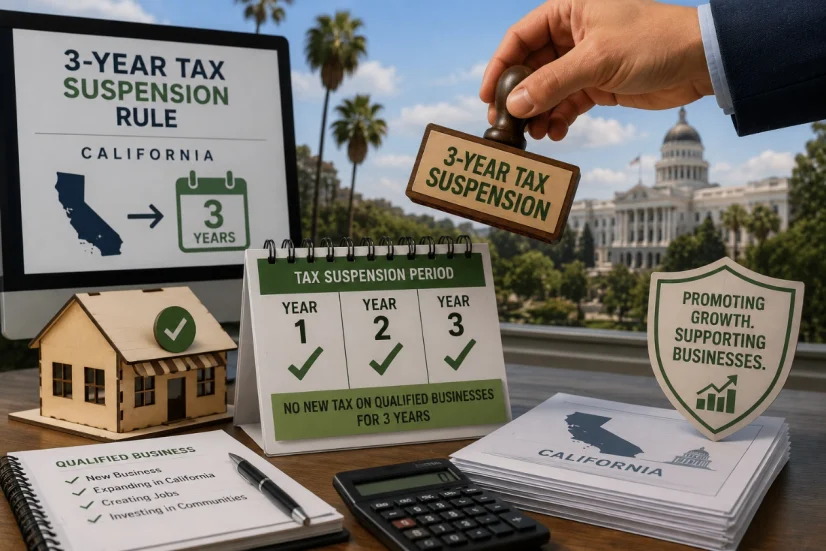
- The suspension is likely to be in effect for three tax years.
- Businesses can continue to carry their losses forward to future years.
Meanwhile, California also capped at $5 million per year the use of additional business tax credits.
It can be a frustrating arrangement for growing businesses as credits and losses may be recorded, but not fully utilized when cash flow is most needed.
This Puts Pressure on Small Businesses for The Following Reasons:
Many business owners had ideas about how their businesses would grow, based on the idea that their losses would be compensated by their expected taxable profit in the future. If those deductions are not subtracted, the income you see on your taxable bill could dramatically spike.
This can lead to:
- Larger than expected state tax bills
- Reduced working capital
- Lower operational flexibility
- Delayed hiring plans
- Tighter cash reserves
- Increased borrowing needs
It is particularly challenging for businesses that have been shaken up during the pandemic, during a recession, or during a period of intense reinvestment. Go to a reliable group of experts (like a tax resolution law firm) who can help you plan your taxation.
A company can only get back to profitability at last, but finds that it has more taxes due than originally thought because losses that were deferred are not available to postpone taxes on income.
The $5 Million Credit Cap is Discussed
California also caps the number of years that business tax credits may be taken in a year, in addition to the NOL suspension.
This cap applies to those companies that depend on credits to:
- Research and development
- Hiring incentives
- California Competes programs
- Enterprise zone carryovers
- Other State business incentive programs.
Profitable businesses with a strong credit history can only apply for up to $5 million per year, even if they have a lot of accumulated credit.
This can be an issue for mid-sized companies for which expansion is a major project, disrupting financial forecasting and tax planning models.
Strategies for Cash Flow Management During the Suspension
Businesses can’t depend on tax offsets as much during this time and need to be more proactive with cash flow management.
Some helpful strategies are:
- Strengthen Cash Reserves
Always try to build up bigger operating reserves in anticipation of increased tax requirements.
- Estimated Tax Payments? Review
Make periodic adjustments to estimated payments to prevent penalties for underpayment or a lack of surprise at the end of the year.
- Delay Nonessential Expenses
Consider delaying some big market purchases/expansion.
- Improve Accounts Receivable Collection
Rapid invoicing and collection can help to enhance short-term liquidity.
- Analyze Profit Timing
There are certain income and expenses that may be accrued or deducted strategically for some businesses that would benefit from professional guidance.
- Carefully Track and Manage Credit Carryforwards
While it may not be possible to use all credits upfront, having correct records will preserve opportunities for using credits in the future.
Legal, Ethical, And Tax Planning Are More Important Than Ever
Taxes for business owners in California are becoming more complicated. NOL suspensions, credit restrictions, and changing state tax proposals can create difficulties with filing taxes on a reactive basis.
Owners of businesses should think about:
- Tax planning reviews every 3 months.
- Multi-year forecasting models
- Entity structure evaluations
- Cash flow scenario analysis
- Coordination with CPA and financial advisors
The time between late January and the tax filing deadline will be inadequate to make the necessary strategy changes.
A Look Beyond the Suspension
Fortunately, the NOLs that are suspended don’t go away forever. Those deductions will continue to be carried forward into the future for most businesses after the suspension period.
But the stretch between now and then calls for financial discipline.
The business challenge for California is not just having to pay more taxes now. It’s having an appropriate level of operational stability, liquidity, and planning flexibility to sustain its growth in the face of some key tax reliefs set to be temporarily unavailable.
