Africa holds a particular magic for adventure travellers. From the sweeping savannahs of the Serengeti to the coral reefs of Zanzibar, the continent offers experiences that simply cannot be replicated anywhere else on earth. Yet for many people, the ultimate African adventure remains the same: standing on the roof of Africa, gazing out from the summit of Mount Kilimanjaro at 5,895 metres above sea level. If you’ve been dreaming of making that climb, this guide will help you plan it properly.
Why Kilimanjaro Captures the Imagination
Kilimanjaro is one of the world’s most accessible high-altitude peaks, requiring no technical climbing experience. That accessibility, however, can be deceptive. Altitude sickness does not discriminate between fitness levels, and every year unprepared climbers are turned back — or worse, evacuated — before reaching Uhuru Peak. The mountain demands respect, regardless of your experience.
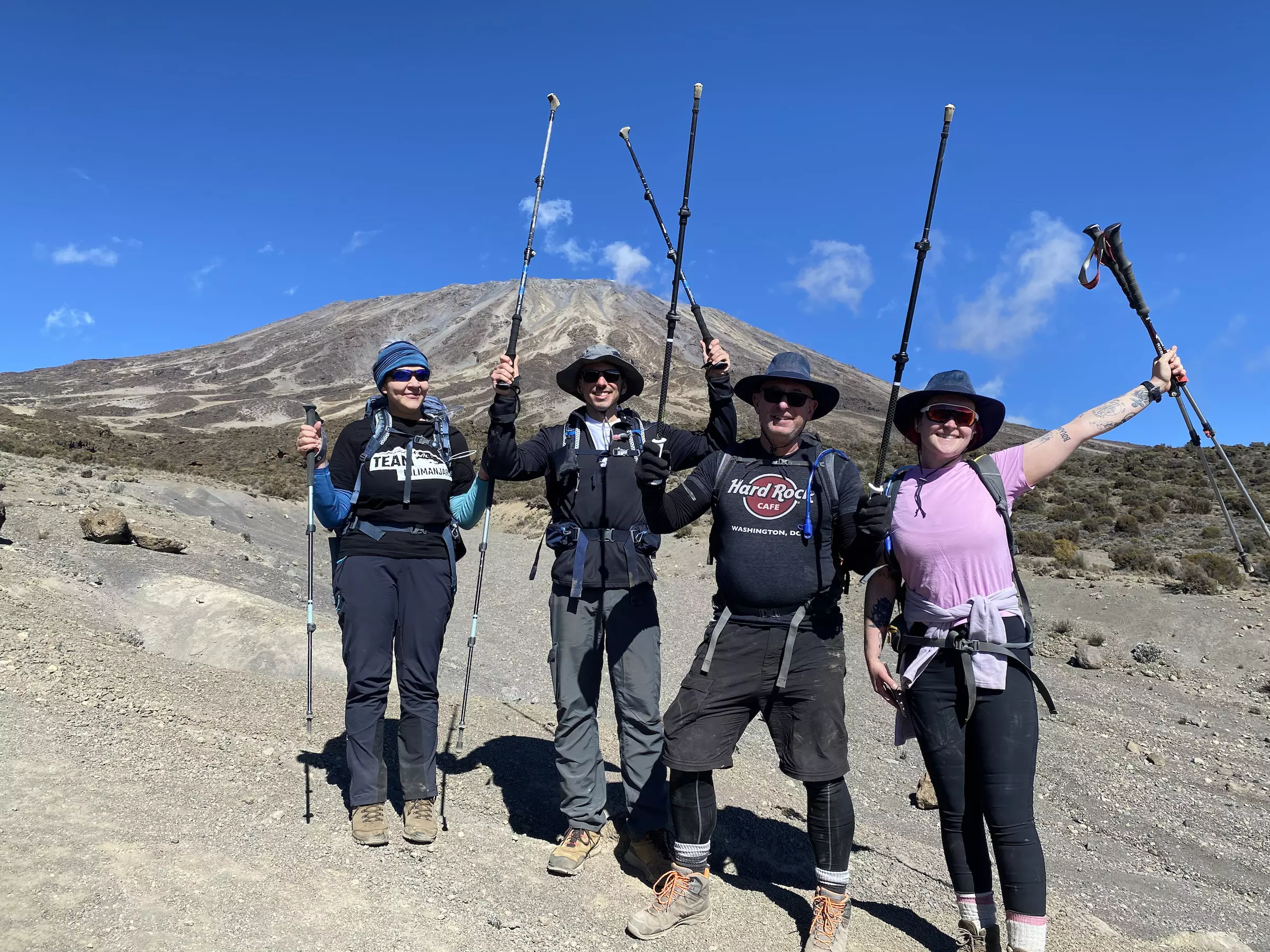
What makes Kilimanjaro particularly fascinating right now is the growing attention it’s attracting from the world’s elite endurance athletes. In July 2026, John Rees-Evans, founder of Team Kilimanjaro, is attempting a Kilimanjaro speed record of extraordinary ambition. Rather than starting at the conventional trailhead, he’ll begin from the mountain’s true geographic base at 777 metres above sea level — meaning he’ll cover a staggering 5,105 metres of vertical gain to reach Uhuru Peak. It’s a reminder that this seemingly approachable mountain still has the power to push human limits to their absolute edge.
Choosing the Right Route
One of the most important decisions you’ll make is which route to take. Kilimanjaro has several established trails, each with distinct characteristics:
The Marangu Route is the most popular, often called the “Coca-Cola route” for its relative comfort — it’s the only route with sleeping huts rather than tents. However, its shorter acclimatisation profile means success rates are actually lower than some longer alternatives.
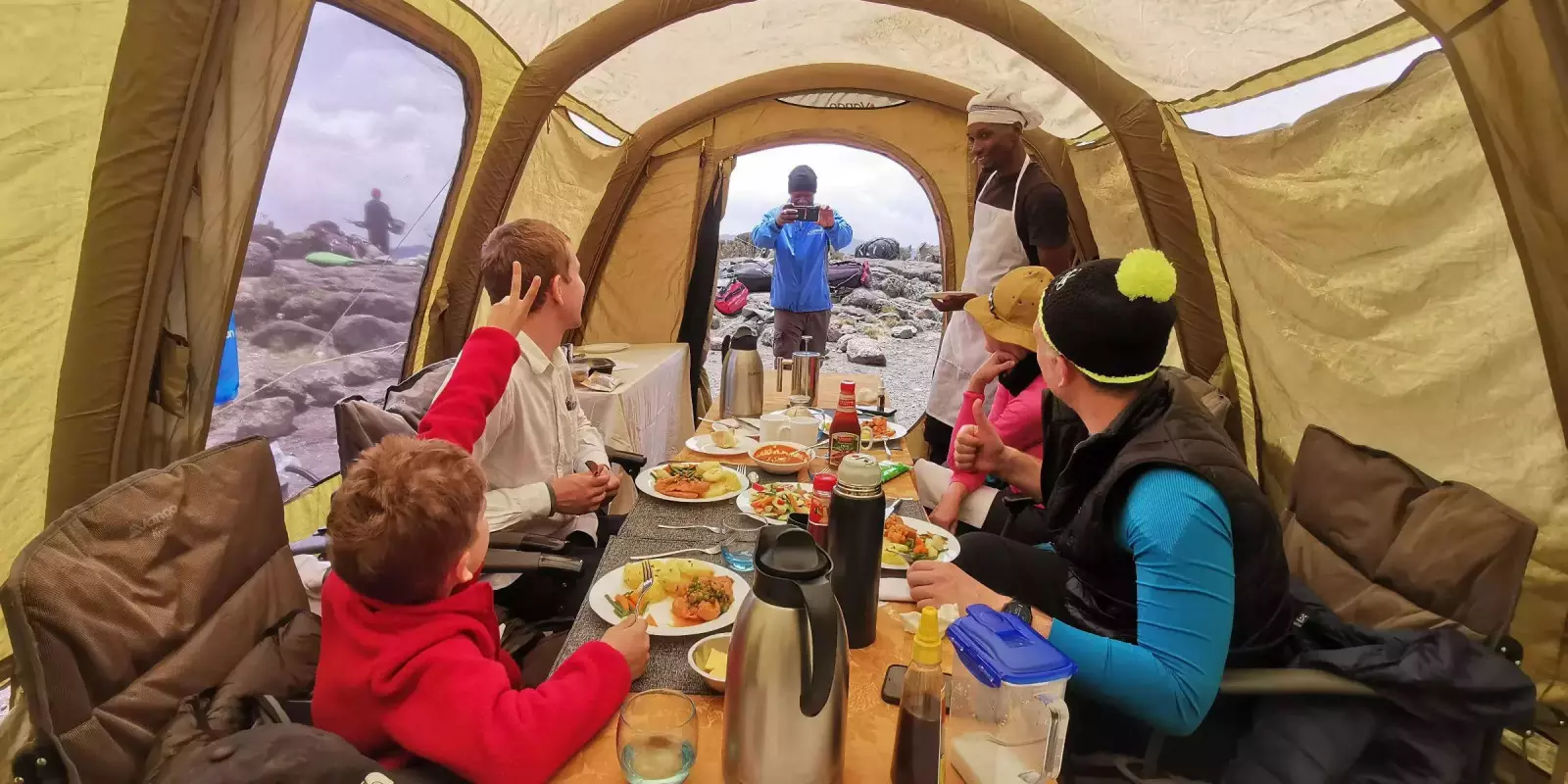
The Lemosho Route offers spectacular scenery and better acclimatisation opportunities. It approaches from the west and is widely regarded as one of the most beautiful paths up the mountain. For those who want the best possible chance of reaching the summit while also enjoying the journey, Lemosho is frequently recommended.
The Rongai Route approaches from the north near the Kenyan border and is notably quieter. It’s a solid option for those who prefer to avoid the busier paths.
Whichever route you choose, budget generously for your trip. The Kilimanjaro price varies considerably depending on the route, duration, operator quality, and the level of service included. Going with a reputable operator who pays their guides and porters fairly is not just an ethical choice — it genuinely affects your safety and your chances of summiting.
Preparing Your Body for the Climb
Physical preparation is non-negotiable. While you don’t need to be an athlete, you do need a solid aerobic base. Begin training at least three to four months before your departure. Long hiking days with elevation gain are ideal preparation, but if you’re landlocked, stair climbing, cycling, and trail running will all help build the cardiovascular capacity you’ll need.
Sleep is one of the most underrated tools in your preparation arsenal. Poor sleep at altitude compounds the effects of hypoxia, making acclimatisation harder. In the weeks before your climb, prioritise consistent, quality rest.
Some climbers also consult their GP about altitude medication such as acetazolamide (Diamox), which can help with acclimatisation. It’s worth having that conversation well in advance of your trip.
Beyond Kilimanjaro: The Bigger World of High-Altitude Adventure
For many people, Kilimanjaro is just the beginning. Successfully reaching Uhuru Peak often ignites a deeper passion for high-altitude mountaineering — one that can lead towards the seven summits and, ultimately, the Himalayas. If you find yourself bitten by that bug, organisations like Team Mount Everest offer structured pathways for those aspiring to take their mountaineering ambitions to the highest level on earth.
The progression from Kilimanjaro to the greater ranges is a natural one, and it’s a journey that thousands of climbers have made before you. The key is never to rush it.
Practical Tips Before You Go
Pack layers rather than single heavy items — temperatures on Kilimanjaro can swing dramatically within a single day. Invest in quality hiking boots that are already broken in. Bring more socks than you think you need. And perhaps most importantly, adopt the local mantra: pole pole — slowly, slowly. The mountain rewards patience above all else.
Africa’s greatest peak is waiting. With the right preparation, the right team, and the right mindset, your place on that summit is entirely within reach.
