When a short procedure deserves a long, careful conversation
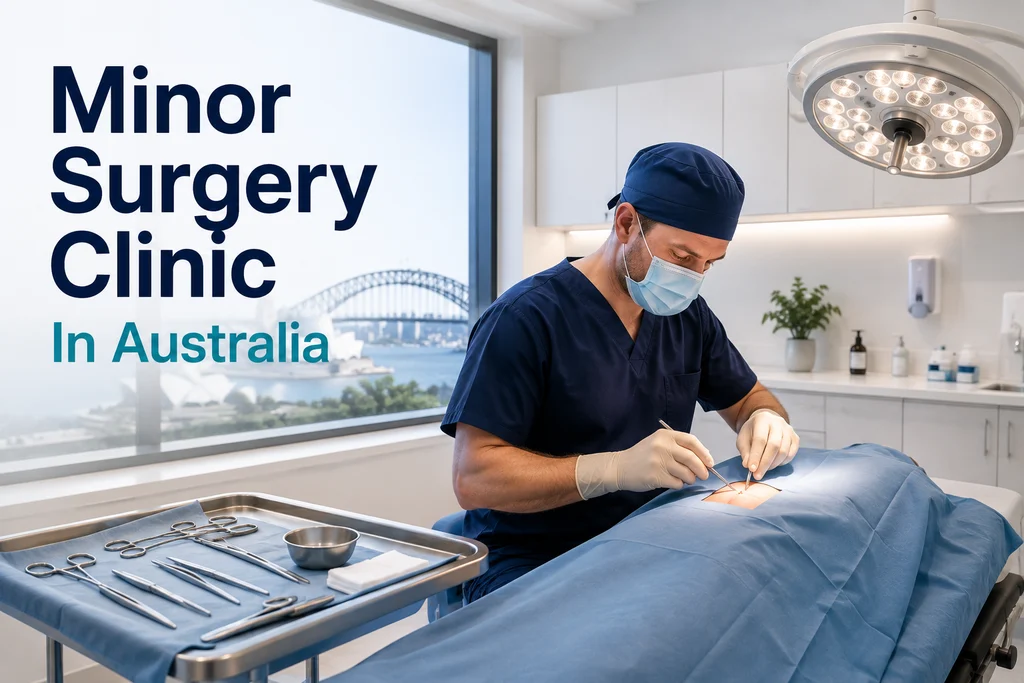
A minor procedure may occupy only a small space on a clinic calendar. For the patient, though, it can raise a full page of questions. Will it hurt? Could it leave a scar? Does the removed tissue need testing? We should not treat those concerns as small just because the procedure is brief. Care managed using a minor surgery clinic in Australia should begin with a calm and honest discussion. That talk should cover the reason for treatment, the available choices, and what recovery may involve. When patients understand the plan, the appointment feels far less uncertain.
This guide explains what good minor procedure care should look like. We cover clinical checks, informed consent, local anaesthetic, skin biopsies, wound care, and pathology results. You will also learn what to ask before choosing a clinic. Some skin concerns can be watched, while others may need removal or sampling. The right choice depends on the lesion, your health, and the clinician’s findings. No guide can replace a personal medical assessment. It can, however, help you arrive prepared and recognise when an explanation is incomplete.
What a minor surgery clinic Australia-wide should explain first
A minor surgery clinic Australia-wide should explain why a procedure is being suggested. The clinician should discuss expected benefits, possible risks, and other options. Those choices may include monitoring the area or seeking another opinion. You also need to know whether the tissue will go to a pathology laboratory. Costs, follow-up appointments, healing time, and likely scarring should be discussed before consent.
Ask the clinic about:
- The clinician’s training and experience
- The proposed procedure and anaesthetic
- Common risks and warning signs
- Pathology and follow-up arrangements
- Fees that may apply after treatment
Recent figures from the Australian Bureau of Statistics show that 83.4% of Australians saw a GP during 2024–25. However, 26.6% delayed or did not see one when needed. Only 67.2% could always visit their preferred GP, while 26% felt they waited too long for an appointment. These results show why clear access and timely communication remain important parts of healthcare.
How minor procedures Brisbane patients can prepare for safely
Minor procedures Brisbane patients may receive often use local anaesthetic. Tell the clinician about your medicines, allergies, health conditions, and past reactions. Blood-thinning medicine can affect bleeding, but you should never stop it without medical advice. Ask whether you may eat, drink, drive, or work as usual. Clothing should allow easy access to the treatment area.
Bring these items on the day:
- A current medicine list
- Relevant medical reports
- Details of known allergies
- Your referral, if required
- A contact who can help afterwards
Plan for lighter activity after the appointment. The wound’s position may make lifting, driving, or exercise uncomfortable. Buy any advised dressings before treatment, so they are ready at home. Ask how long the anaesthetic may last and which pain relief is suitable. Good preparation will not remove every concern, but it can prevent avoidable stress. If instructions seem unclear, call the clinic before attending.
Why a skin clinic Brisbane visit may include a biopsy
A skin clinic Brisbane appointment may lead to a biopsy when the cause of a mark is uncertain. The sample can help a pathology laboratory identify what is happening beneath the surface. It may also guide the next stage of treatment.
Check one: Why the sample is needed
A biopsy is not always the same as full lesion removal. The clinician may take only enough tissue for testing. Ask what question the laboratory is expected to answer.
Check two: How the area will be closed
A small wound may need a dressing or one or more stitches. The method depends on the sample size and treatment site. You should receive clear instructions for keeping it clean.
Check three: When results will arrive
Results usually take at least several days. Confirm who will contact you and how the findings will be explained. Do not assume silence means the result was normal.
Updated information from Healthdirect Australia states that a punch biopsy often takes 10 to 15 minutes under local anaesthetic. The sample is commonly less than four millimetres wide and about 1.5 millimetres deep. The wound may be closed with stitches or covered with a dressing. These details can vary, so personal clinical advice remains essential.
What minor surgery Ipswich aftercare should cover at home
Minor surgery Ipswich aftercare should be written in plain language. Instructions need to explain dressing changes, bathing, exercise, pain relief, and stitch removal. They should also list signs that require medical help. Patients arranging skin lesion removal in Melbourne deserve the same clear support after leaving the clinic. Recovery guidance should match the procedure and the wound location.
Contact the clinic promptly if you notice:
- Bleeding that does not settle
- Redness that keeps spreading
- Increasing swelling or pain
- Pus, fever, or wound breakdown
- An unexpected reaction to medicine
Do not pick at the wound or remove stitches yourself. Avoid heavy exercise when movement may pull the skin apart. Attend every planned review, especially if pathology was requested. Ask for a copy or clear explanation of the result. You may also need further treatment if the report finds abnormal cells or unclear margins. Careful aftercare protects healing and helps problems get attention sooner.
Where clear information makes the next step feel simpler
Minor surgery may be common, but it should never feel rushed or unexplained. We believe patients deserve clear reasons, informed choices, safe treatment, and reliable follow-up. Before booking, write down your questions and note any changes in the area. Share your full medical history and follow the aftercare plan closely. If a skin lesion, cyst, or other concern needs assessment, begin with a qualified clinician rather than guessing the treatment yourself. A thoughtful review today can help you choose the next step with greater confidence and less worry.
