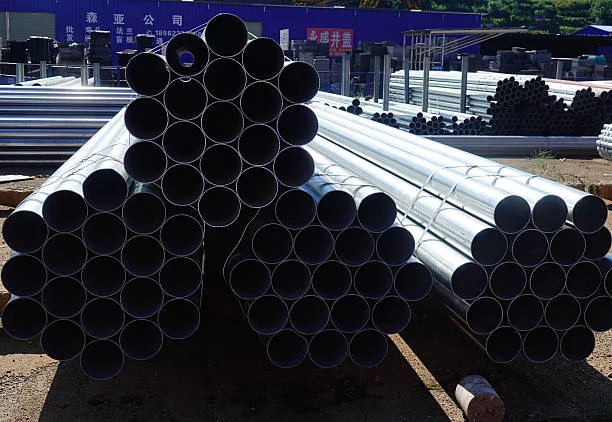
Refinery and chemical processing systems rarely get a gentle work environment. Tubing sits in the path of aggressive chemicals, swinging temperatures, and pressure that never really lets up. When the metal inside those lines starts to weaken, the trouble spreads fast. Small cracks turn into leaks, and leaks turn into shutdowns nobody planned for.
Plant operators want tubing that holds its shape and strength even after years of thermal abuse. That need is exactly why 321 stainless steel tube delivers dependable resistance to heat-related corrosion and keeps refinery and chemical processing lines running safely through demanding high-temperature service. You get a material built to stay stable when cheaper grades would already be failing.
Heat Keeps Testing Every Weld and Wall
Elevated Temperatures Wear Metal Down Faster Than Expected: Processing units often run hot for long stretches, and that constant exposure changes how metal behaves. Ordinary grades lose strength and start to scale once the heat climbs past their comfort zone. You see thinning walls, brittle sections, and tubing that no longer holds pressure the way the original spec promised.
Thermal Stability Decides How Long Tubing Lasts: The grade you pick sets the ceiling on service life. As an austenitic stainless steel, 321 keeps its structure intact across wide temperature swings without turning fragile. That stability matters when a single weak run of tubing can drag down an entire unit. Choosing for heat tolerance saves you from repeat failures later.
What a Cheaper Grade Really Costs You
Welded Joints Become the First Point of Weakness: Welding heats metal into a range where carbon and chromium can react badly. In standard grades, that reaction triggers intergranular corrosion, which eats away at the grain boundaries right beside the weld. Those joints then crack under pressure, often with little warning, and you are left chasing leaks across the system.
Titanium Stabilization Protects the Grain Structure: 321 adds titanium, which grabs the carbon before it can bond with chromium. That small change keeps the protective layer working even after welding and repeated heating. The result is tubing you can fabricate, repair, and run hot without watching the welds quietly fall apart. Fewer surprise repairs means fewer days lost to downtime.
How 321 Holds Up Where Other Metals Give In
Oxidation Resistance Keeps Surfaces Intact at High Heat: Inside furnaces, heat exchangers, and hot vapor lines, surfaces face constant oxidation. 321 forms a tight protective film that slows scaling and pitting, even when temperatures stay high for weeks. That clean surface keeps flow steady and stops corrosion products from contaminating sensitive process streams downstream.
Strength Holds Even During Constant Thermal Cycling: Refinery units rarely run at one steady temperature. They heat up, cool down, and repeat that cycle daily. Each swing stresses the metal, and weaker grades fatigue quickly. 321 keeps its mechanical strength through these repeated cycles, so the tubing resists creep and stays reliable across long production runs.
Where This Tubing Earns Its Place: Across processing plants, certain applications push materials harder than others. 321 fits these spots because it handles heat and corrosion together, not just one or the other. The grade shows up wherever reliability under temperature is not optional. A few common uses make the value clear.
- Exhaust and high-temperature gas lines that face repeated heating and cooling without losing wall integrity.
- Heat exchanger and condenser tubing exposed to hot, corrosive fluids over long service intervals.
- Furnace and boiler components that demand steady strength well above standard operating temperatures.
- Chemical transfer lines carrying acids and reactive compounds that quickly degrade lesser materials.
- Expansion joints and bellows that flex under thermal movement while resisting cracking and fatigue.
Get the Spec Right Before Problems Start
Matching Grade to Service Saves Real Money: It can be tempting to cut costs with a lower grade, but that choice often backfires. A single unplanned shutdown can wipe out years of the savings you thought you locked in. Picking tubing rated for your actual heat and chemical exposure protects both your schedule and your budget over time.
Sourcing and Certification Matter More Than Price Alone: Quality varies widely between suppliers, and paperwork tells the real story. You want mill test reports, traceable heat numbers, and material that meets recognized standards. Verified documentation means the tubing in your line performs the way the datasheet claims. Cutting corners on sourcing tends to show up later as failed inspections.
Working With Specialists Reduces Costly Guesswork: Choosing the right tube alloy is not always obvious, and a wrong call can be expensive. Talking through your conditions with people who know these materials helps you avoid mismatches before they reach the field. Good guidance up front keeps you from paying for trial and error in a live unit.
Keep Your Lines Running When the Heat Is On
Equipment that fails early does more than cost money. It puts people, schedules, and budgets at risk. The right tubing quietly does its job for years, holding strong through heat, pressure, and corrosive service. That kind of reliability is worth specifying from the start. Reach out today to source the grade that keeps your operation safe and running.
