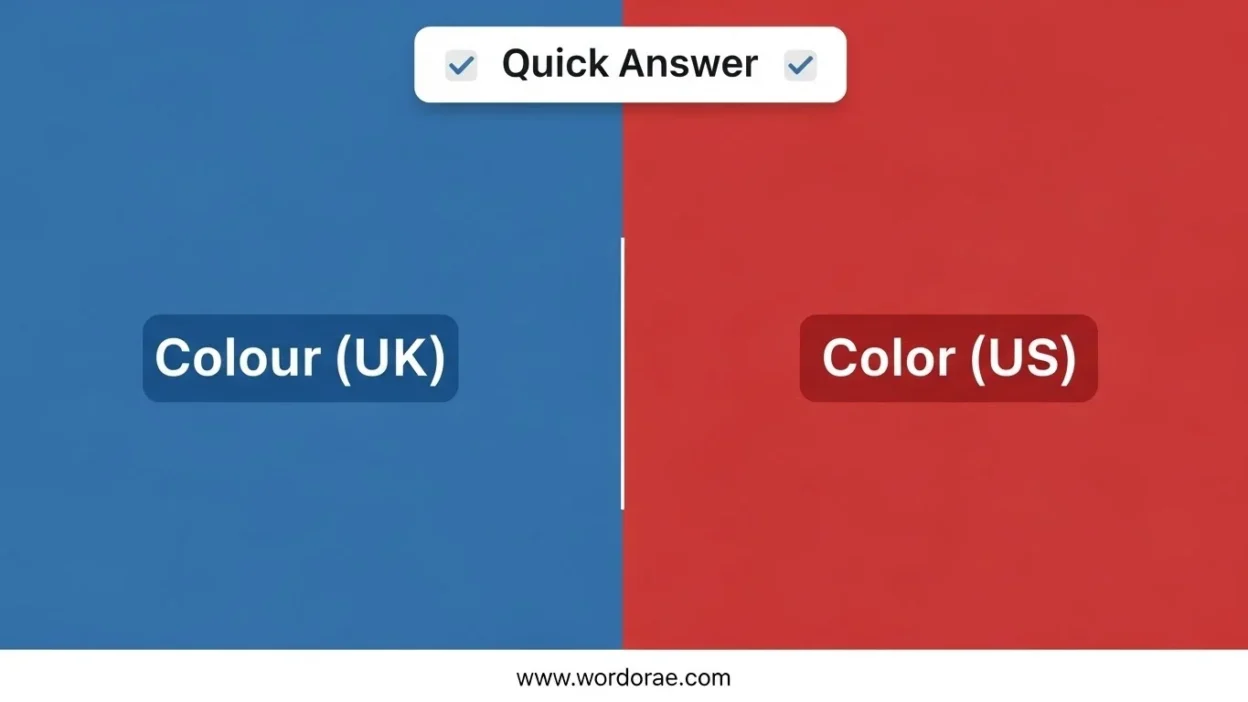
Quick answer: both colour and color are correct. The choice depends on where you are writing.
Many writers pause and ask, “Is it colour or color?” This is a common question because English spelling varies by region. British English uses colour, while American English uses color.
People also search for colour or color which is correct, is colour or color correct, and correct spelling of colour or color to avoid mistakes in emails, blogs, or professional writing.
This guide explains the colour or color difference, shows which spelling to use in the UK, US, Canada, Australia, and India,
And helps you write consistently while aligning with user intent and Google’s algorithm.
Colour or Color – Quick Answer
So, is it colour or color? Both are correct:
- Colour → British English
- Color → American English
Examples:
- UK: Her favourite colours are blue and green.
- US: Her favorite colors are blue and green.
For queries like “its colour or color?”, the answer depends on your audience. Consistency matters more than which spelling you choose.
The Origin of Colour or Color
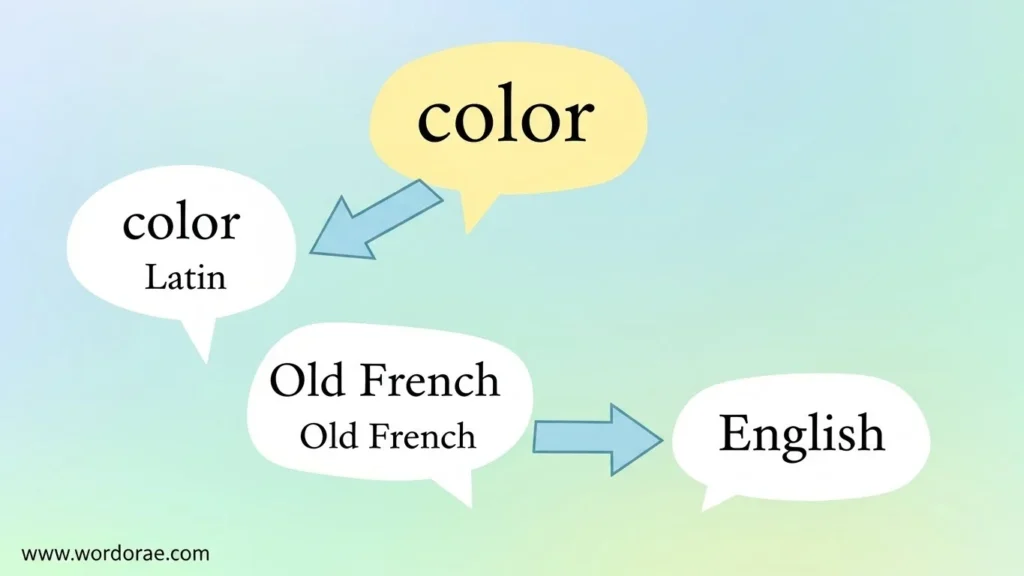
The word comes from Latin color and entered English via Old French as colour. Early English texts showed multiple spellings.
In the 1800s, American lexicographer Noah Webster simplified many spellings, removing the “u” from words like colour, honour, and favour.
British English kept the original forms. That’s why the colour or color spelling difference exists today.
British English vs American English Spelling
| Feature | British English | American English |
| Standard spelling | colour | color |
| Regions | UK, Australia, NZ, India, Canada | USA |
| Style | Traditional | Simplified |
| Example | colour palette | color palette |
If you ask “is it colour or color in the UK?”, the answer is colour. For the US, color is correct.
Which Spelling Should You Use?
Here’s a simple guide:
- United States: color
- United Kingdom: colour
- Canada: colour (colour or color Canadian spelling)
- Australia & New Zealand: colour
- India: colour (colour or color which is correct in India)
For SEO and global content, pick one spelling and stay consistent. Consistency improves readability, trust, and aligns with Google algorithm expectations.
Common Mistakes with Colour or Color
Frequent errors include:
- Mixing colour and color in the same article
- Using US spelling for UK or Canadian audiences
- Asking repeatedly “is colour or color correct?” instead of choosing one
- Letting autocorrect change spelling mid-text
Tip: Pick a spelling once and stick to it. Consistency signals professionalism and improves user experience.
Colour or Color in Everyday Examples
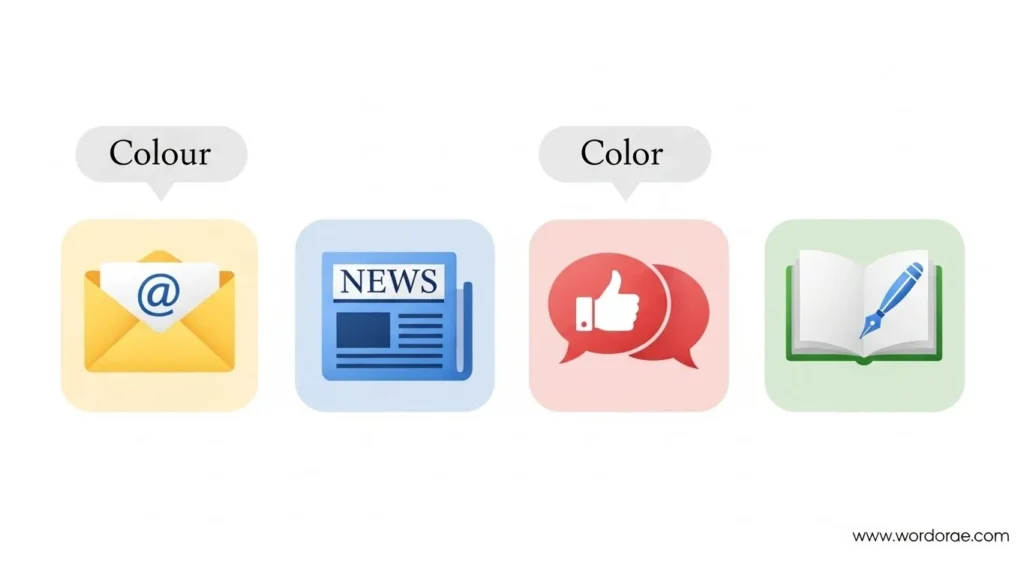
- Email: Please update the logo color.
- News: The building’s colour was restored.
- Social media: This colour or color meme is trending.
- Formal writing: The colour palette represents the brand.
Even colour or color memes highlight how widespread this spelling debate is.
Colour or Color : Usage by Country
Search trends show:
- US: color dominates
- UK, Canada, Australia, NZ, India: colour is preferred
Popular searches like “is it colour or color in Australia?”, “colour or color NZ”, and “colour or color Canada” confirm regional differences.
Using the correct spelling helps match user intent and improves engagement.
Colour or Color Comparison Table
| Term | Region | Correct Usage |
| colour | UK, Canada, Australia, NZ, India | ✅ |
| color | USA | ✅ |
| mixed usage | Any | ❌ |
| incorrect spelling | Any | ❌ |
FAQs: Colour or Color
1. Is it colour or color?
Both are correct. Use depending on the audience.
2. Which spelling is British English?
Colour.
3. Which spelling is American English?
Color.
4. What is the correct spelling in Canada?
Colour (colour or color Canadian spelling).
5. Is colour or color correct in Australia?
Colour.
6. Can I mix spellings in one document?
No. Consistency is key.
7. Which spelling should I use for SEO content?
Use the version your audience searches for.
Conclusion
The colour or color debate is simple once you know the rules: both spellings are correct, but the choice depends on region.
- Use color for the US.
- Use colour for the UK, Canada, Australia, New Zealand, and India.
For global content or blogs, choose one version and remain consistent.
Doing so improves readability, trust, and professionalism, aligning with modern Google algorithm signals.
Understanding this small spelling difference ensures you never have to pause and ask “is it colour or color correct?” again.

I’m Jane Austen, a writer at Wordorae.com, where I focus on explaining grammar mistakes and confusing English words in a clear, simple way.
I help readers improve their writing by making tricky language rules easy to understand and use.